The Property
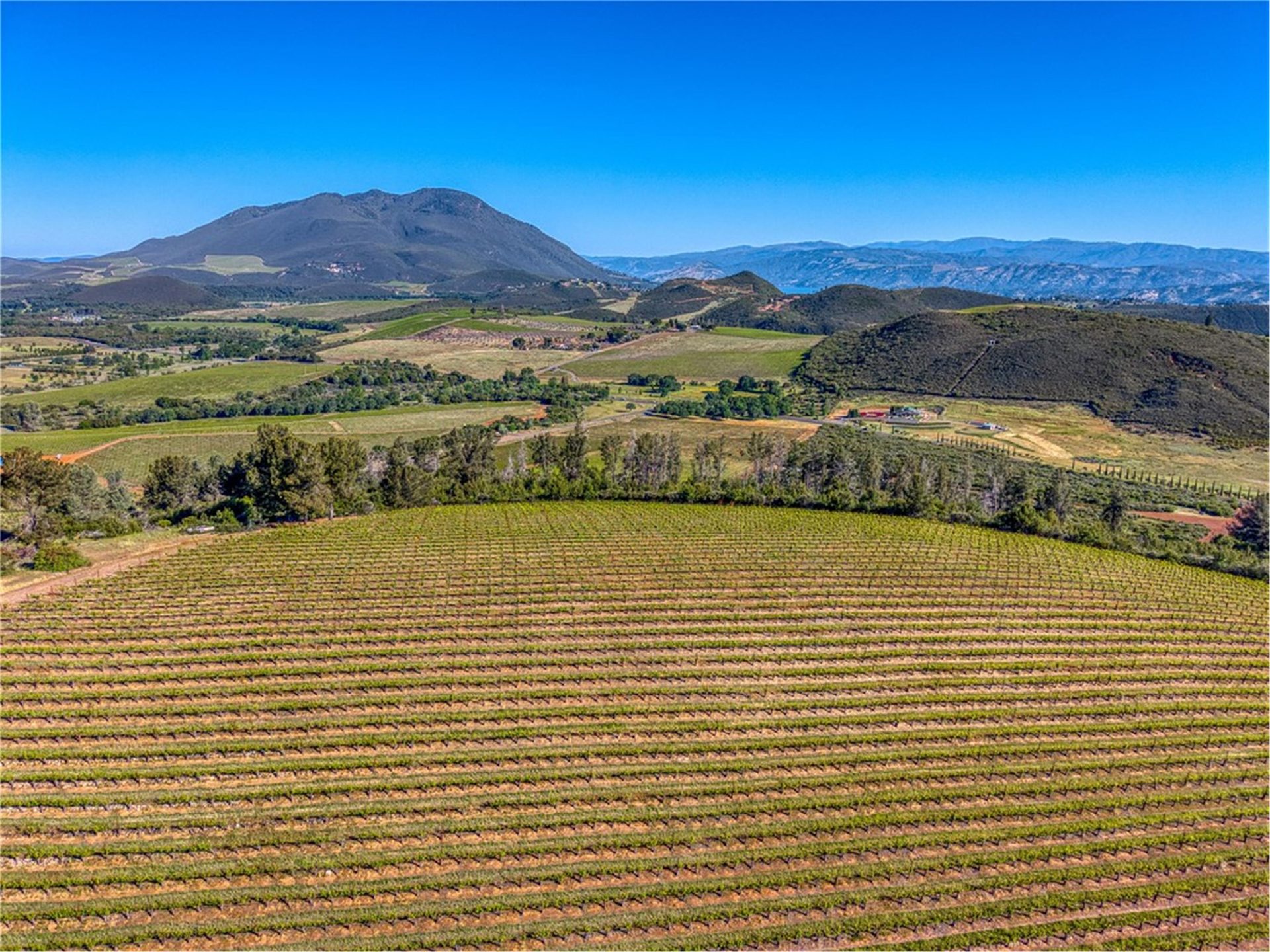
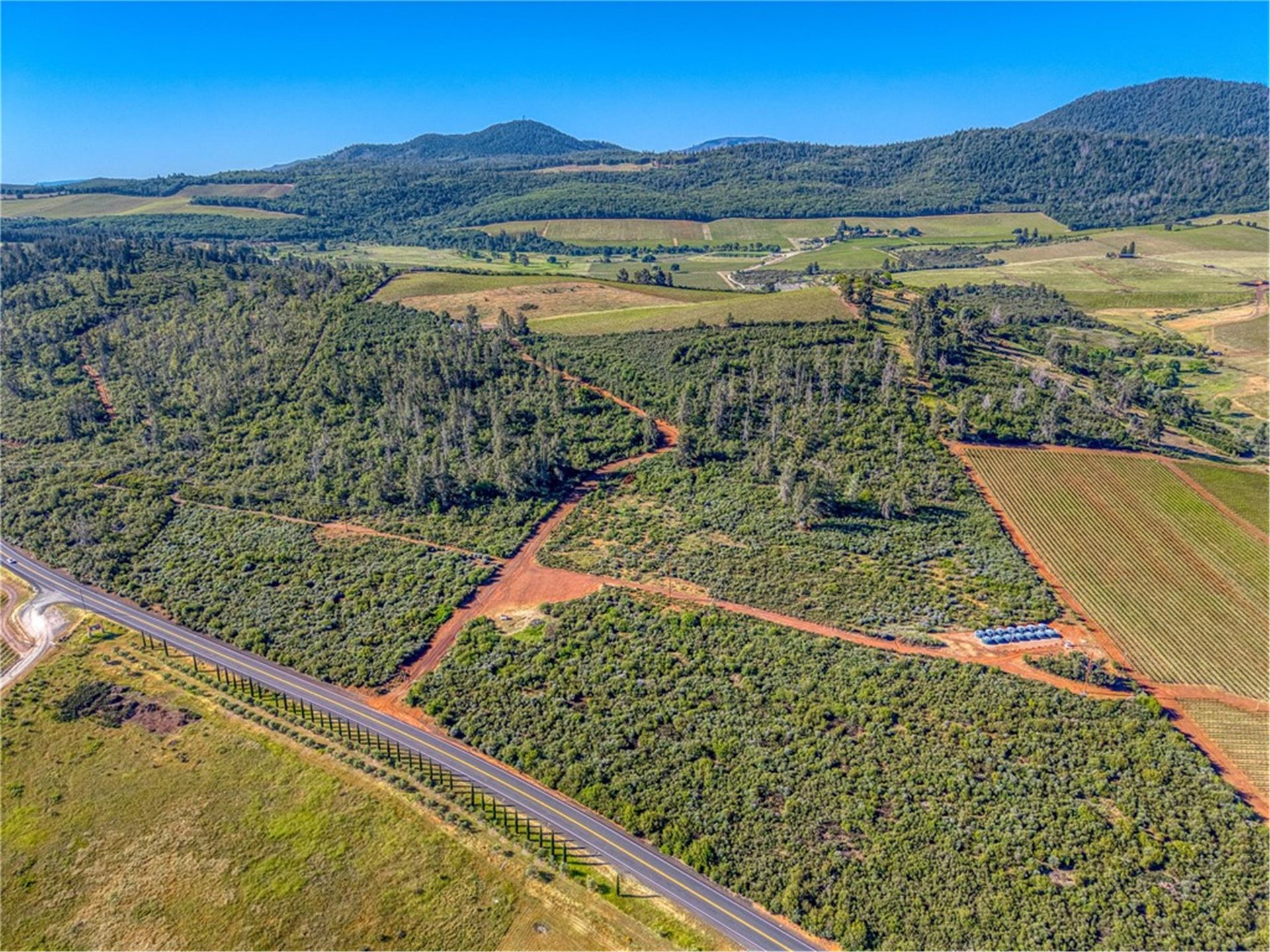
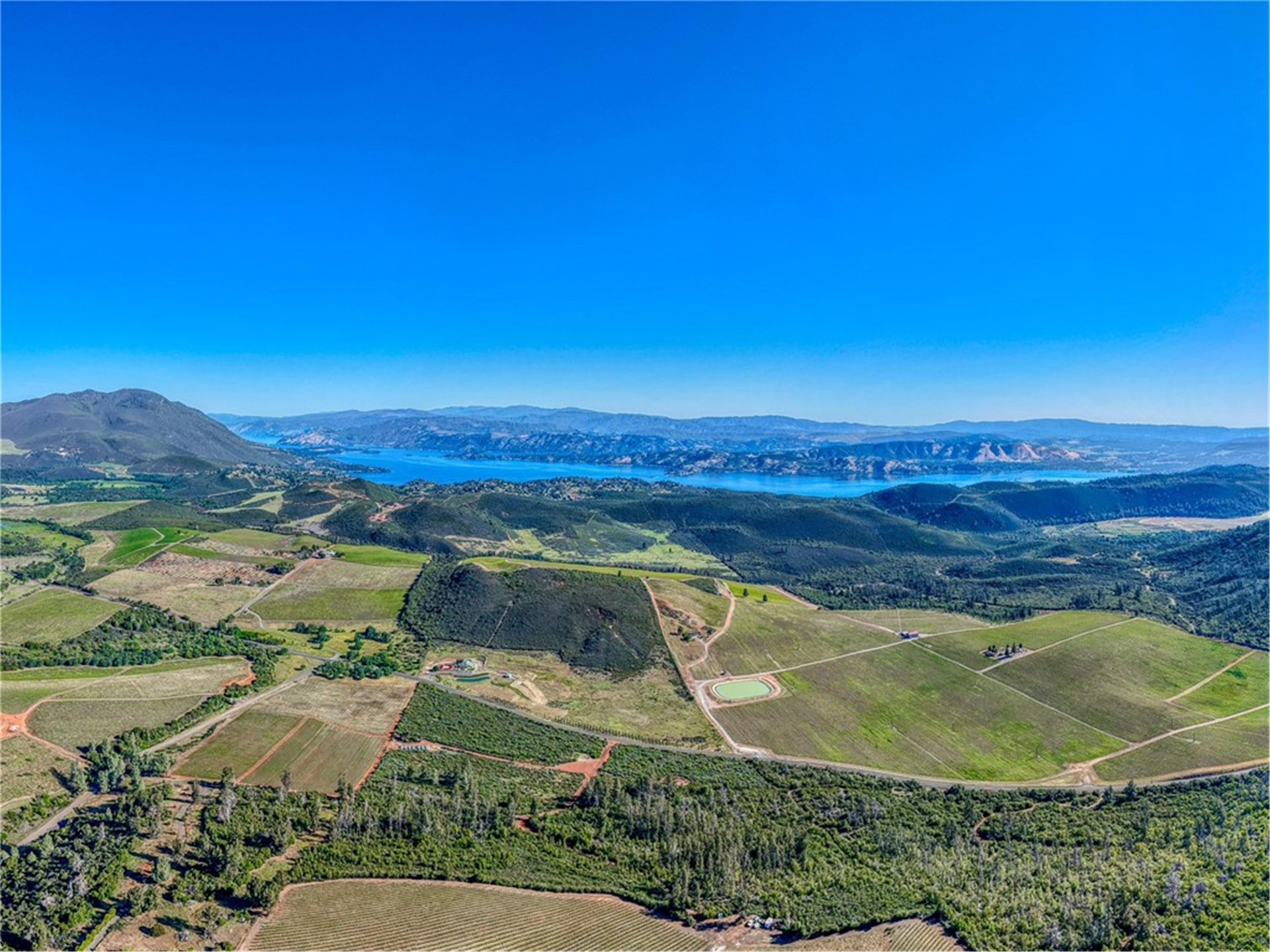
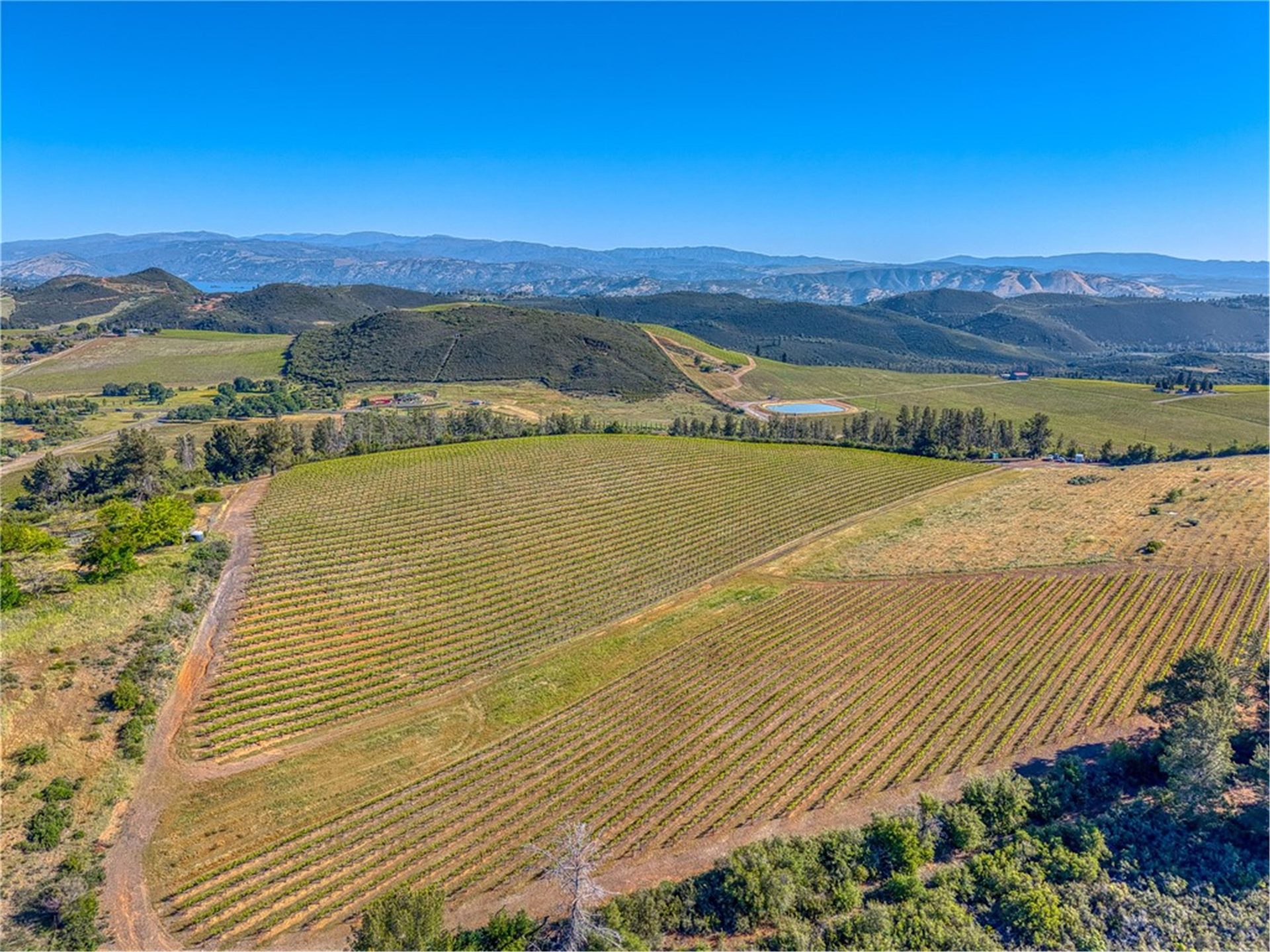
At the top of the Red Hills.
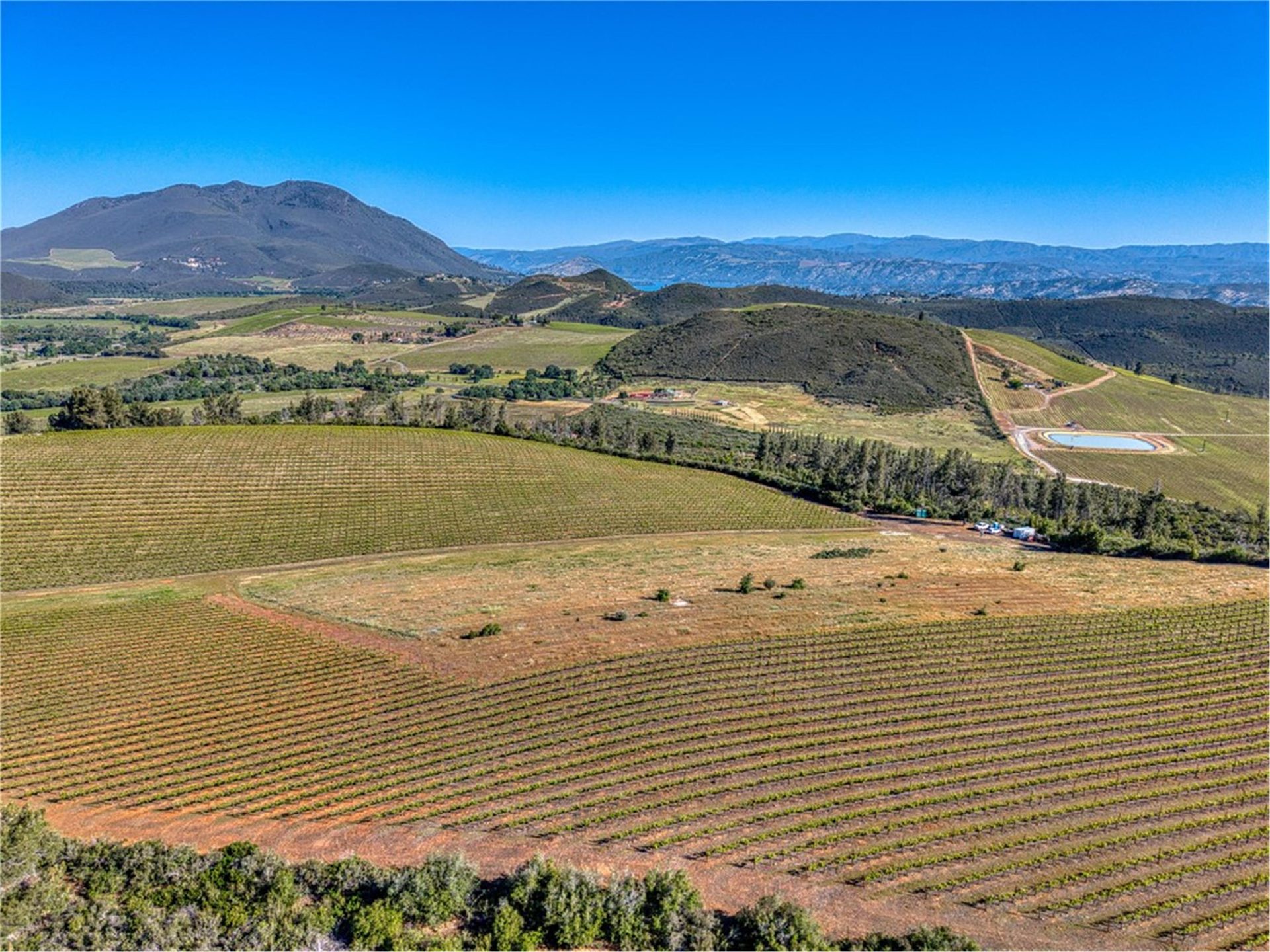
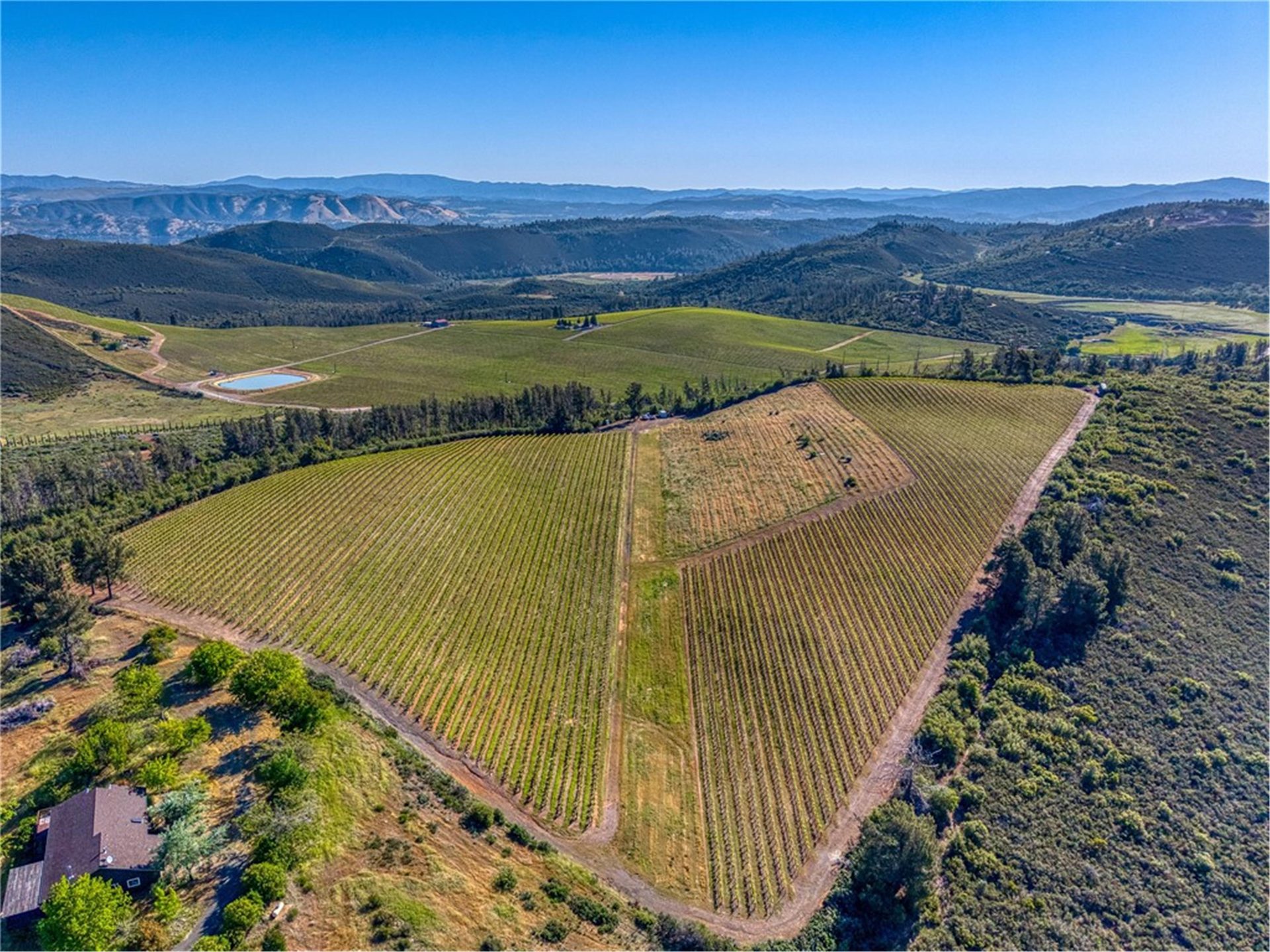
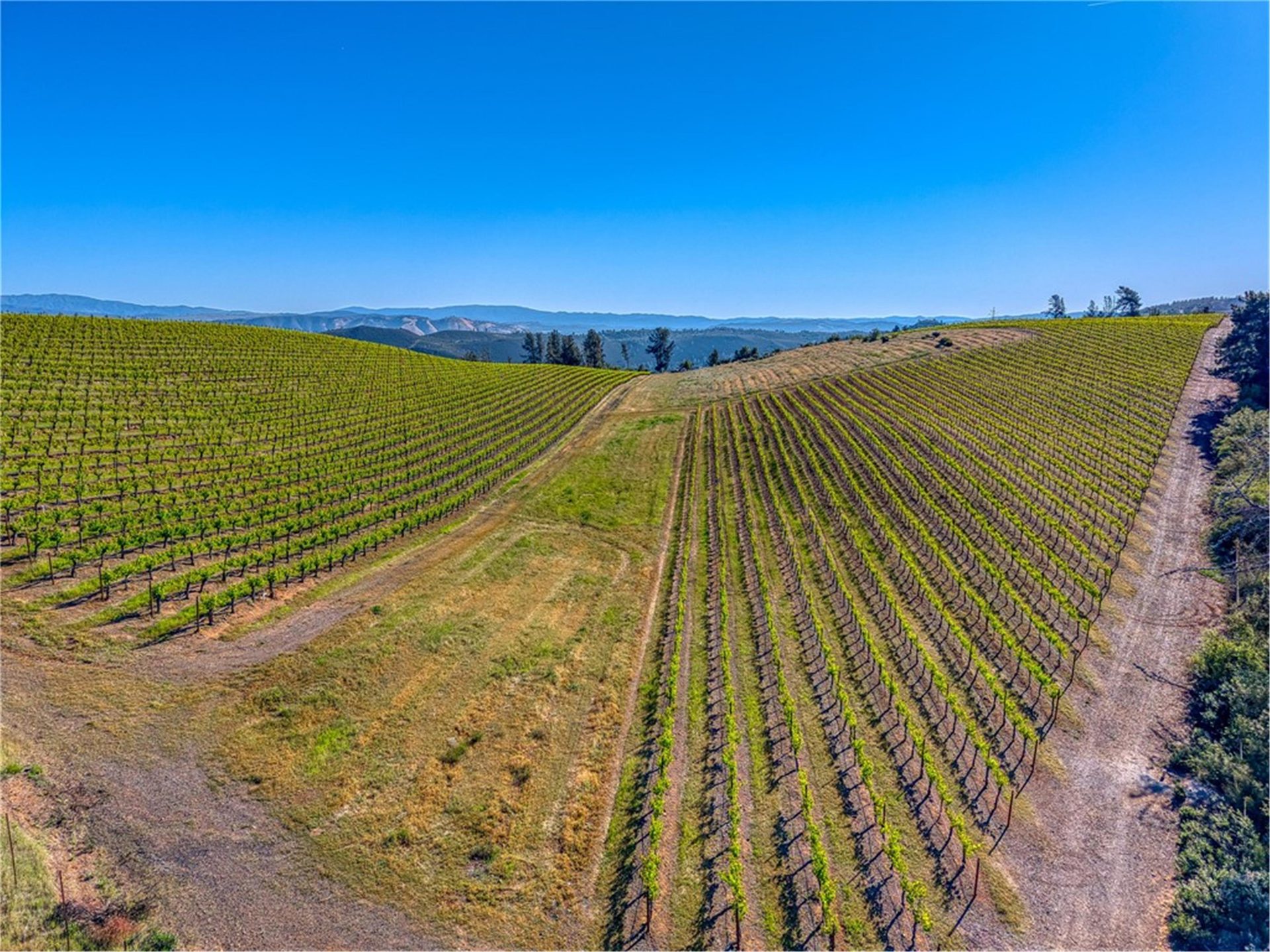
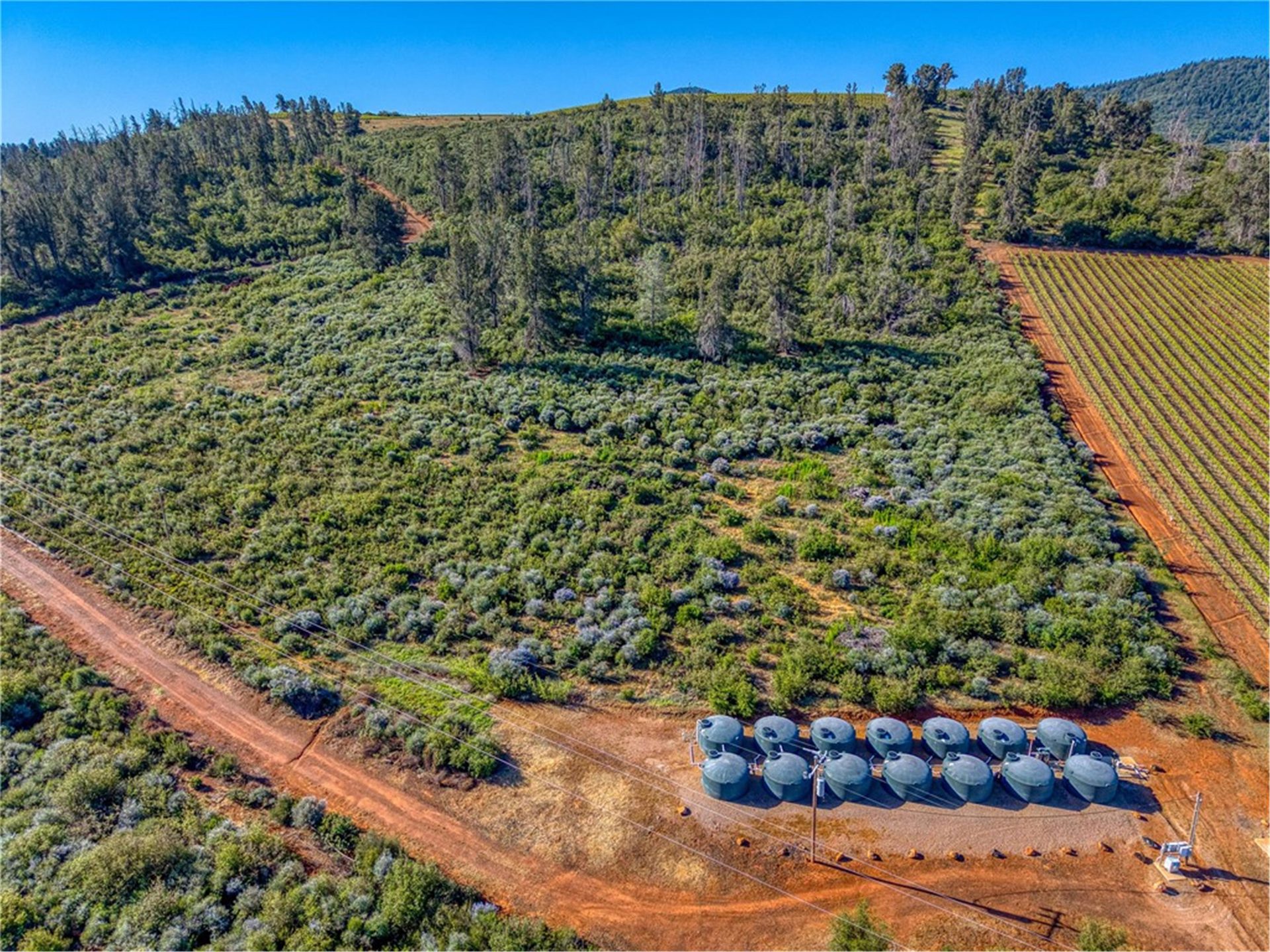
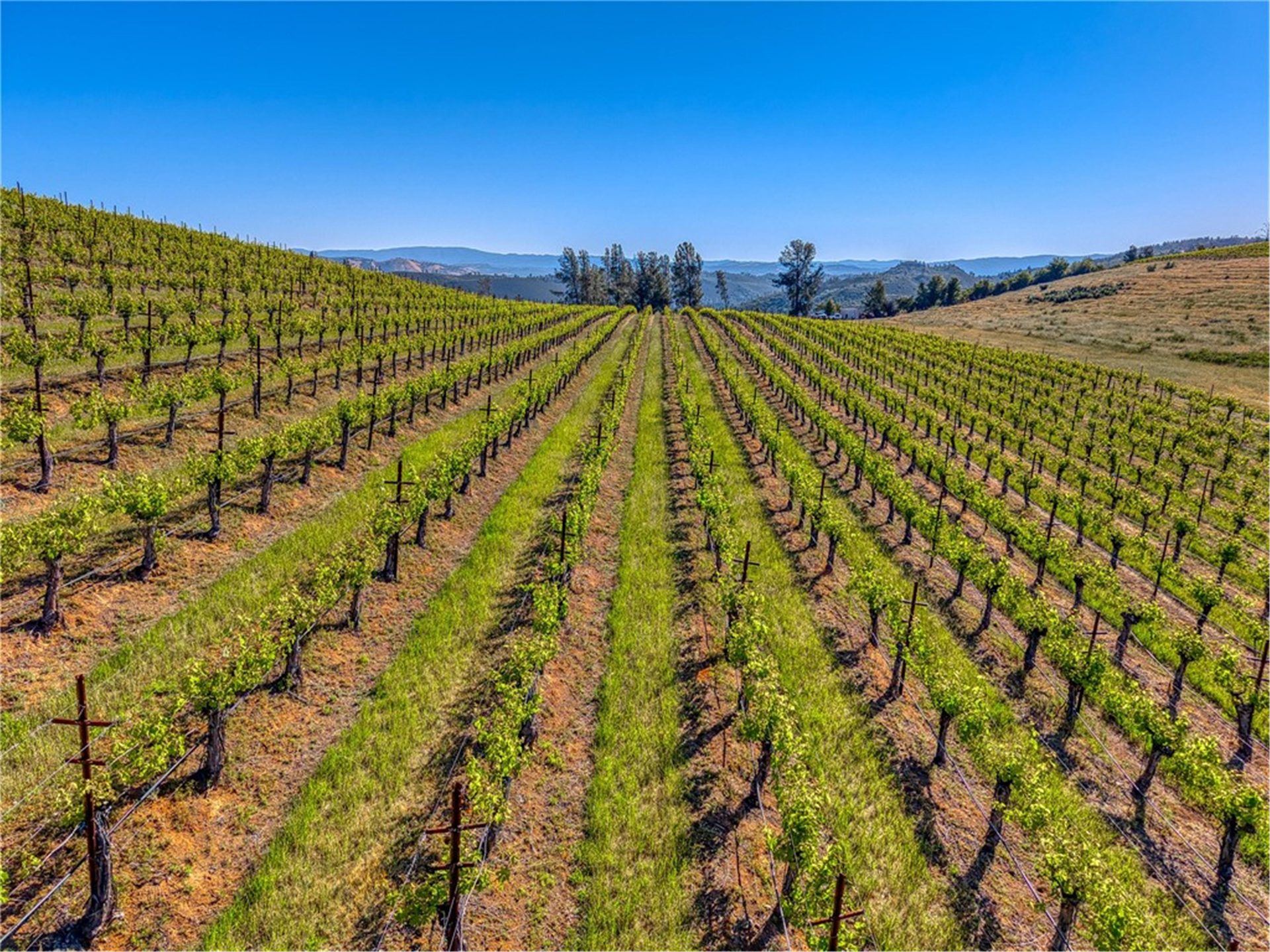
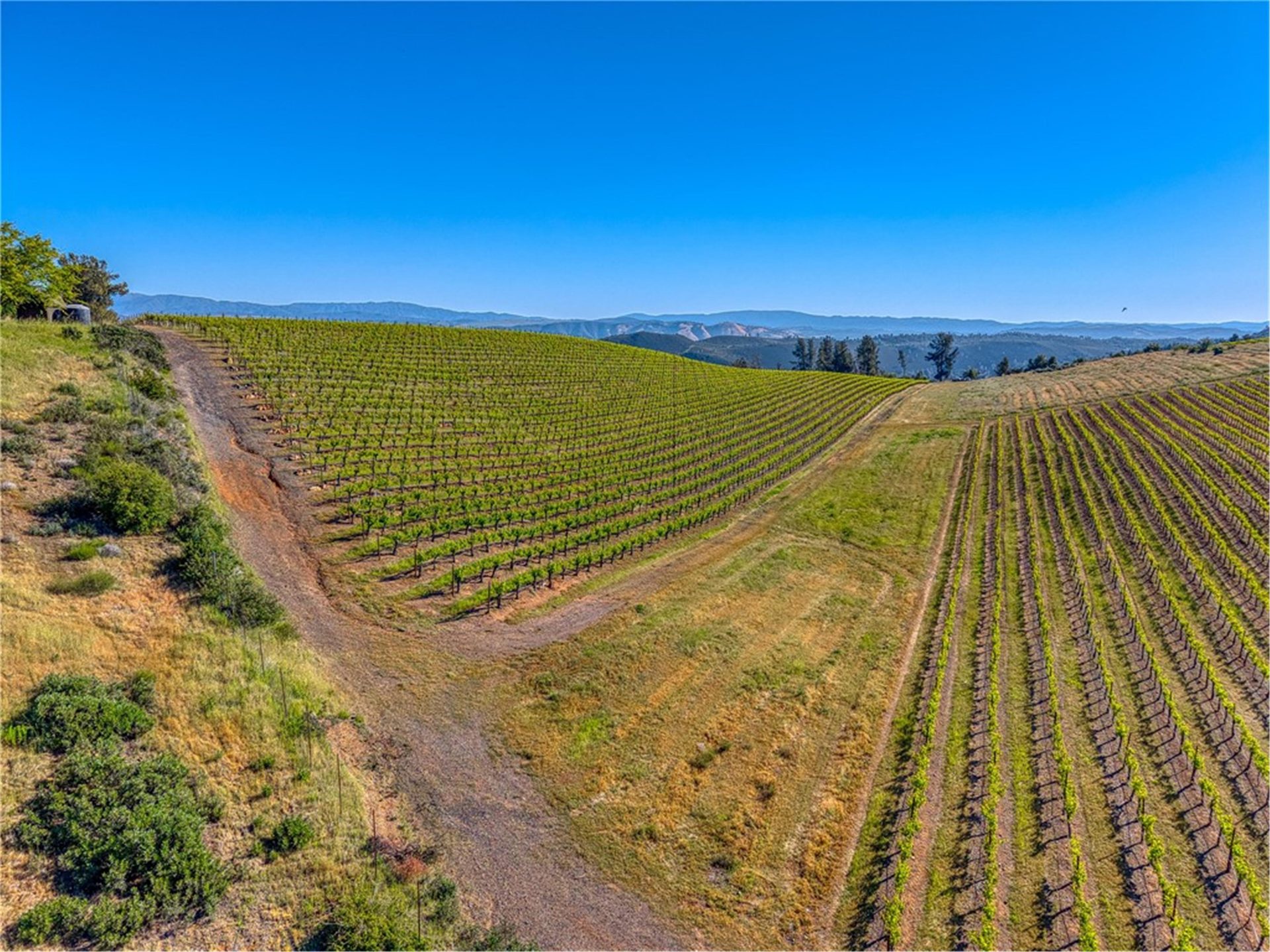
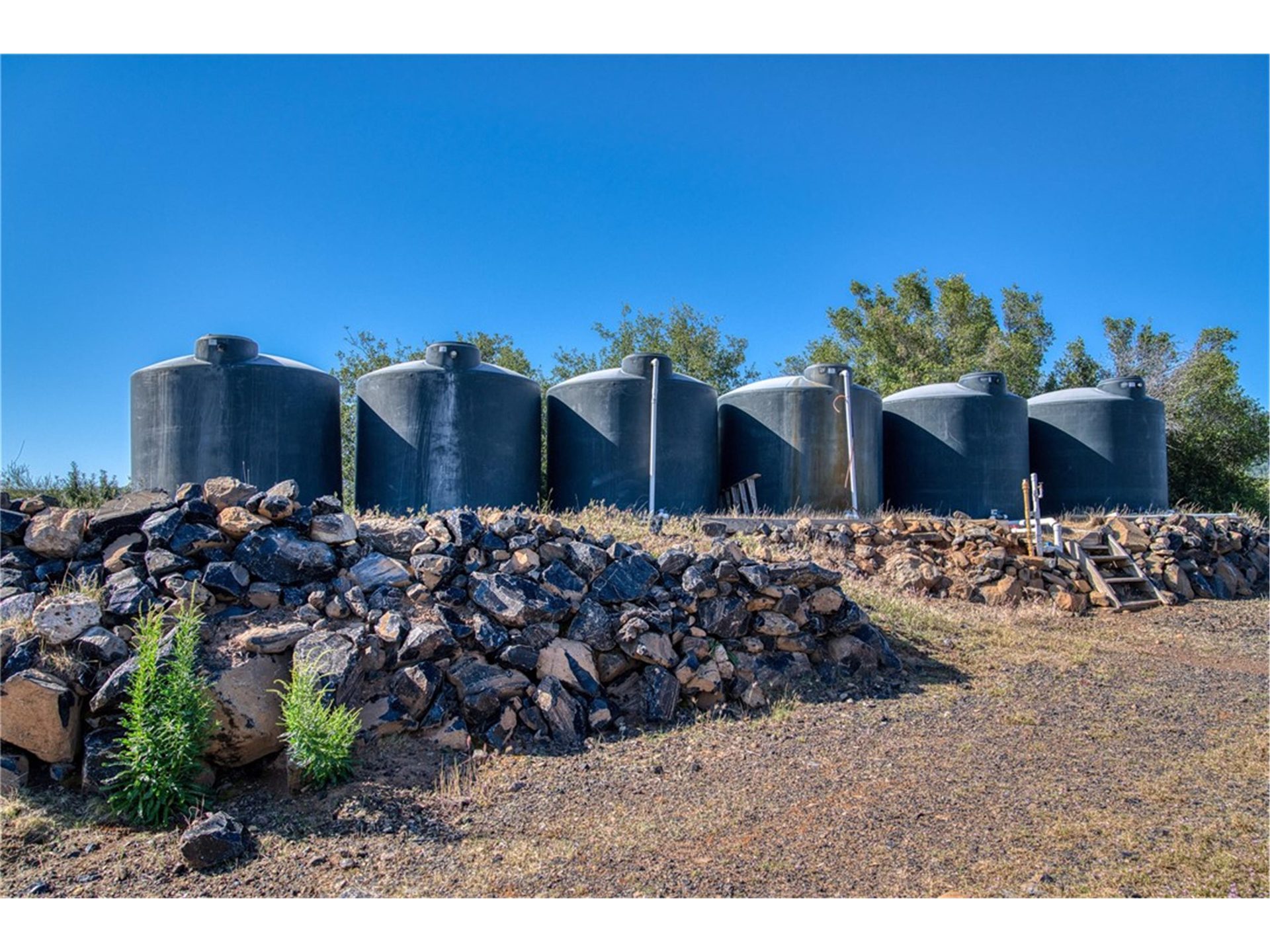
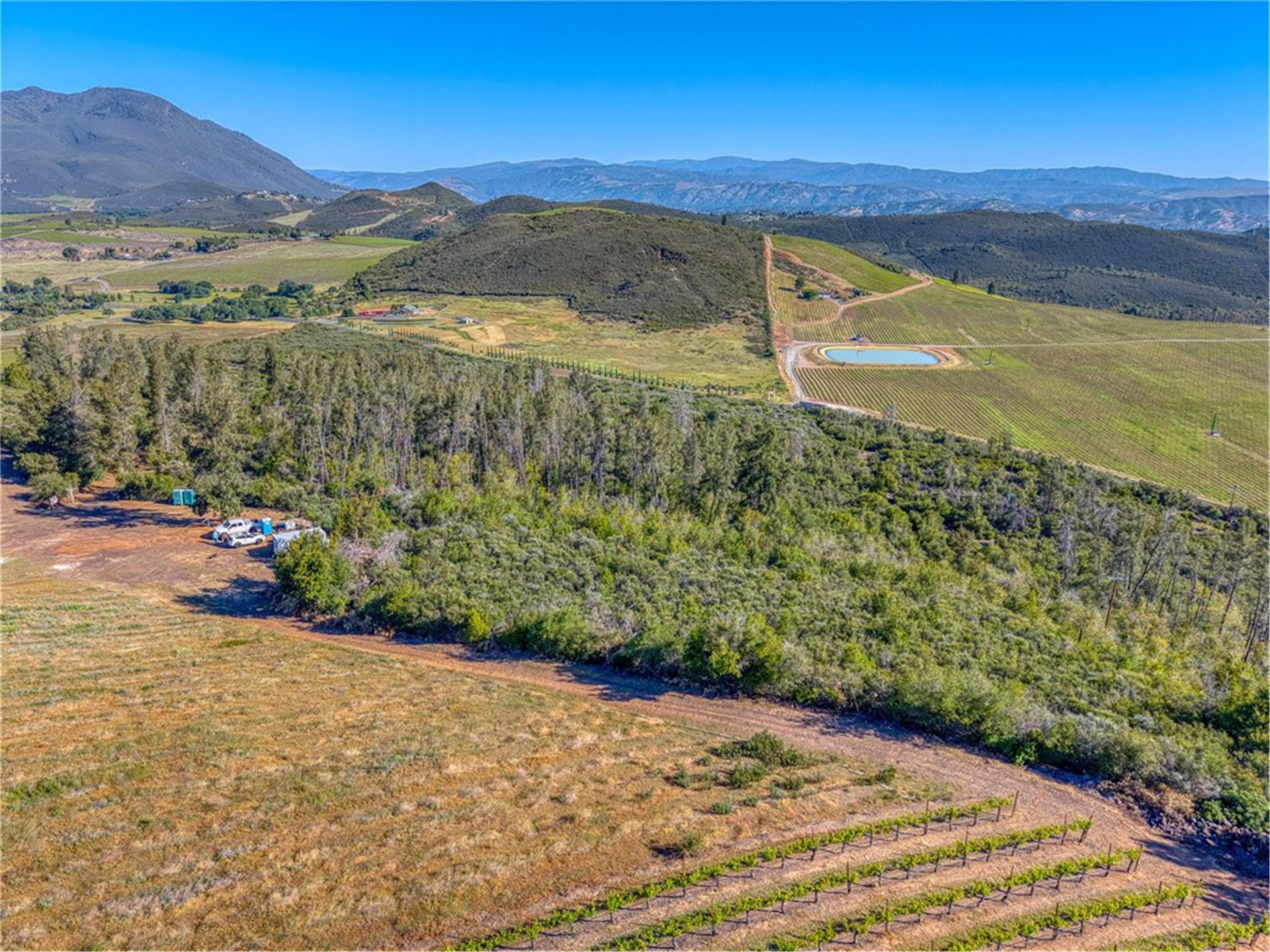
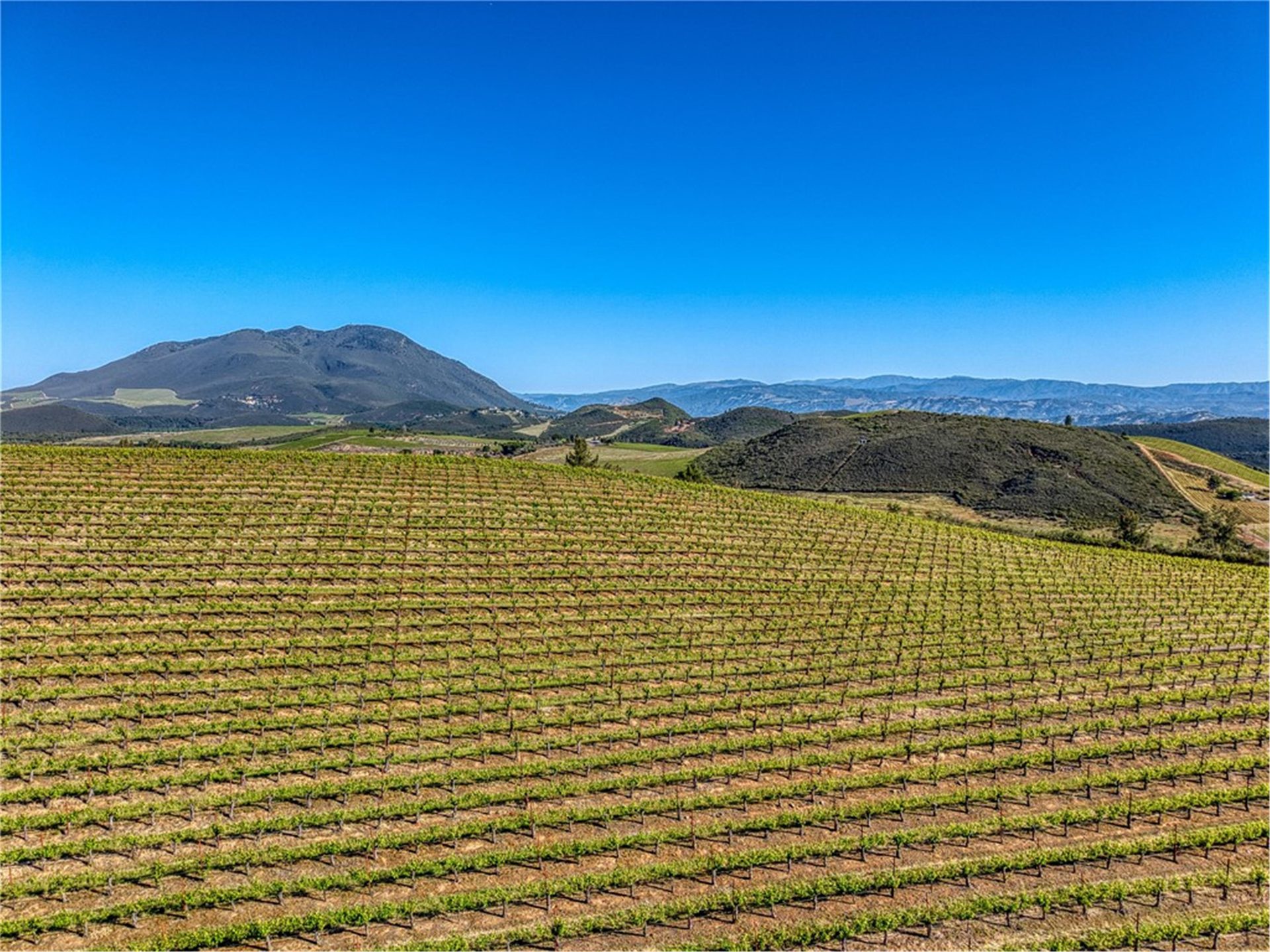
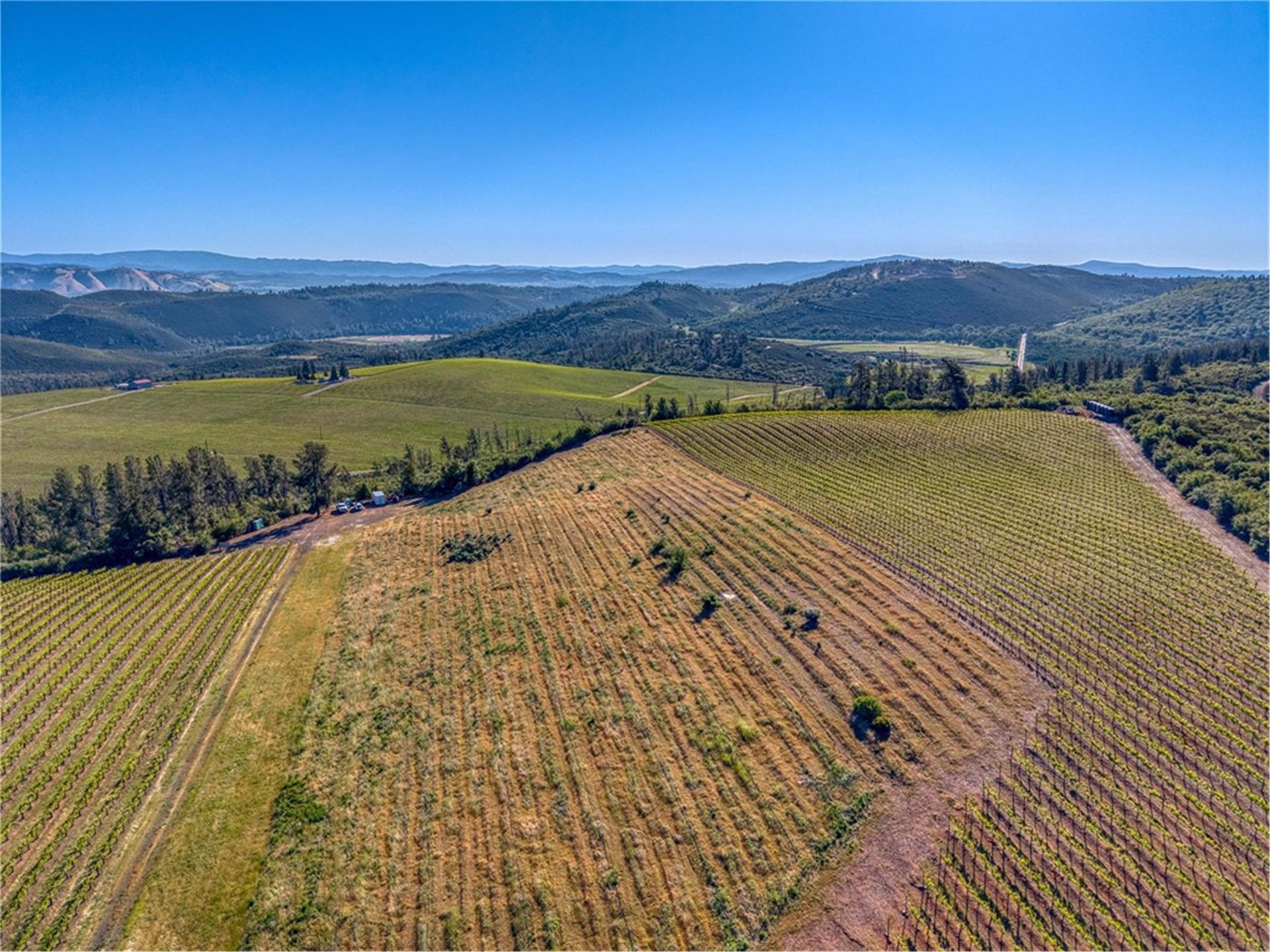
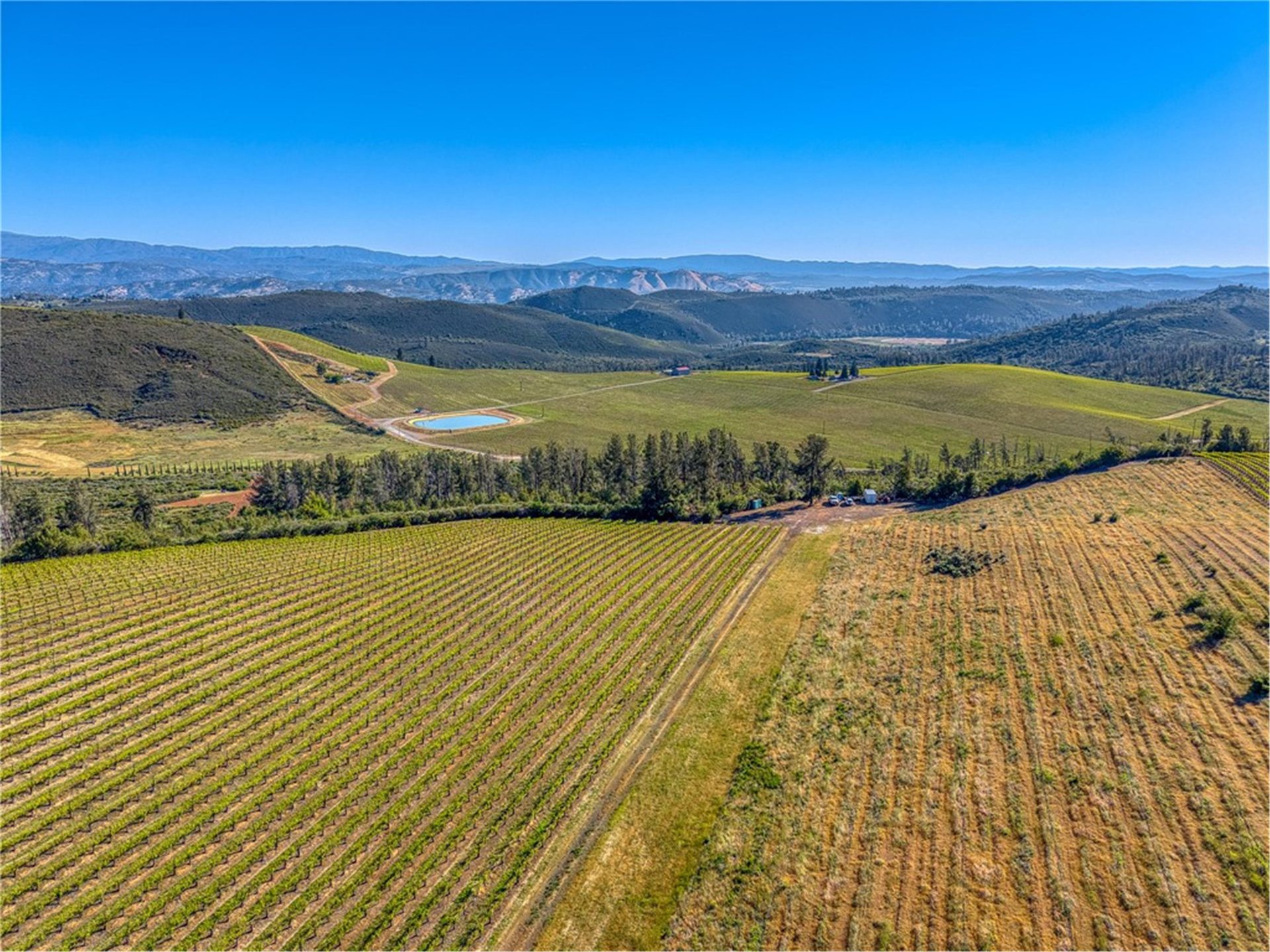
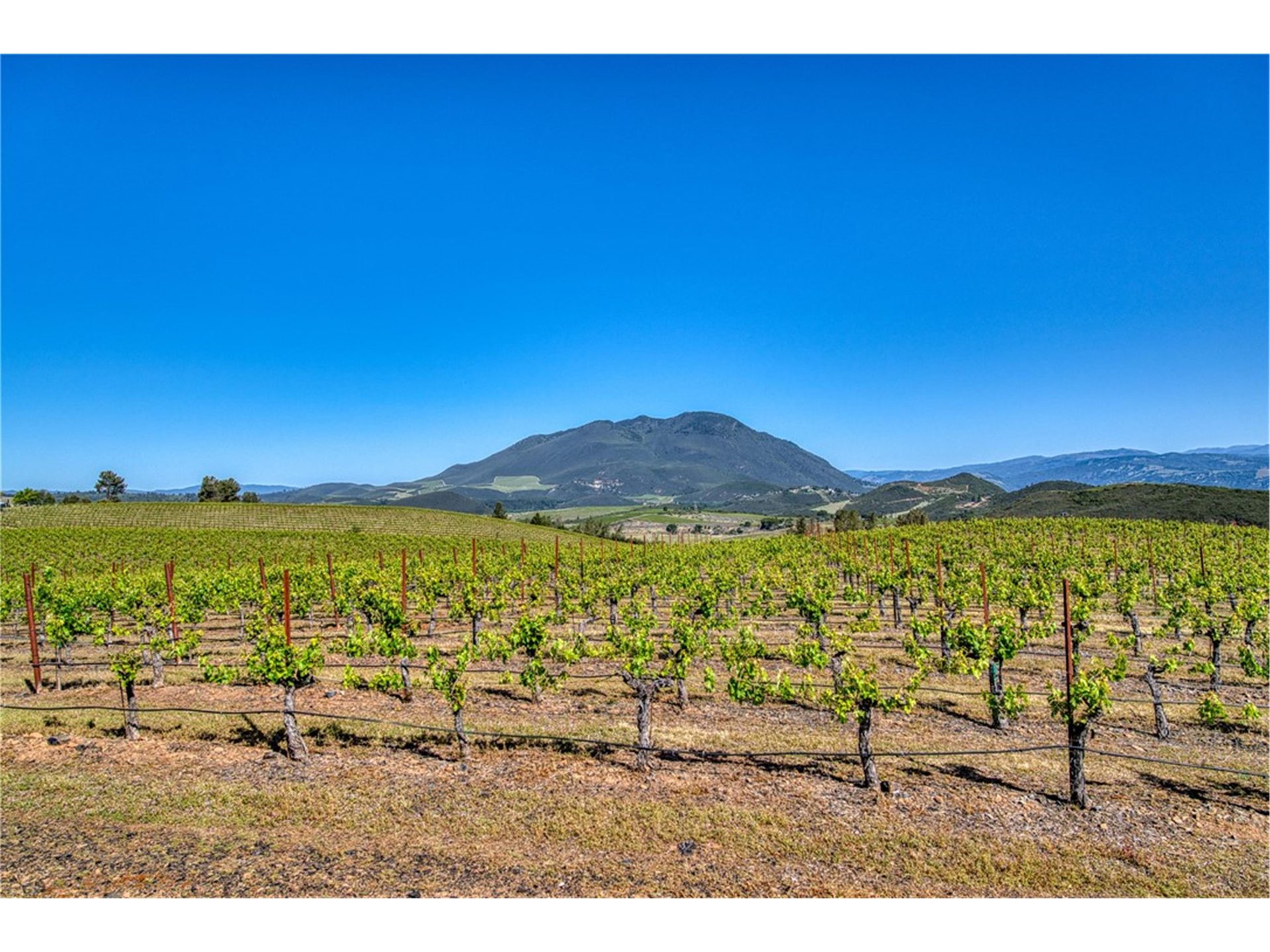
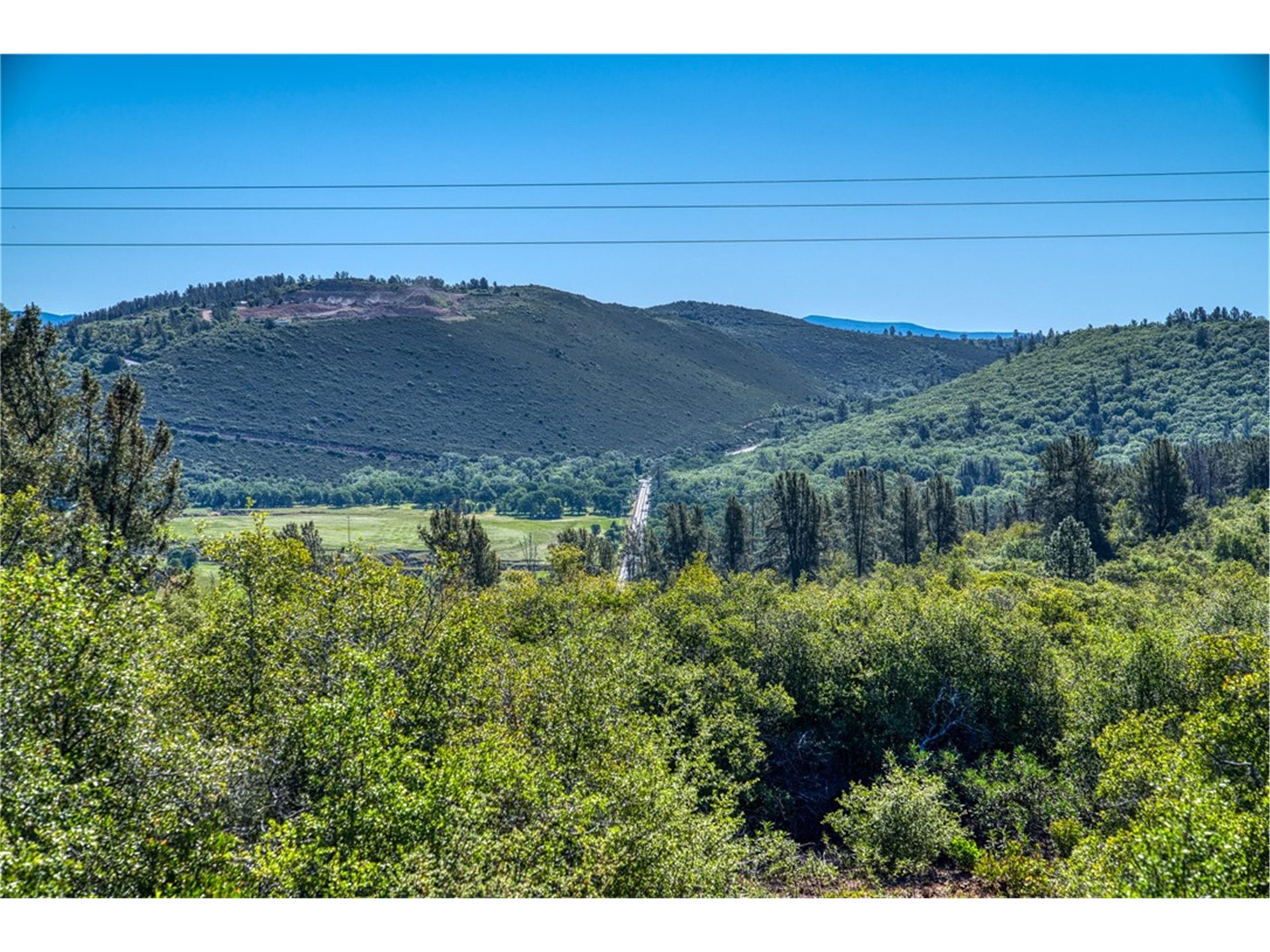
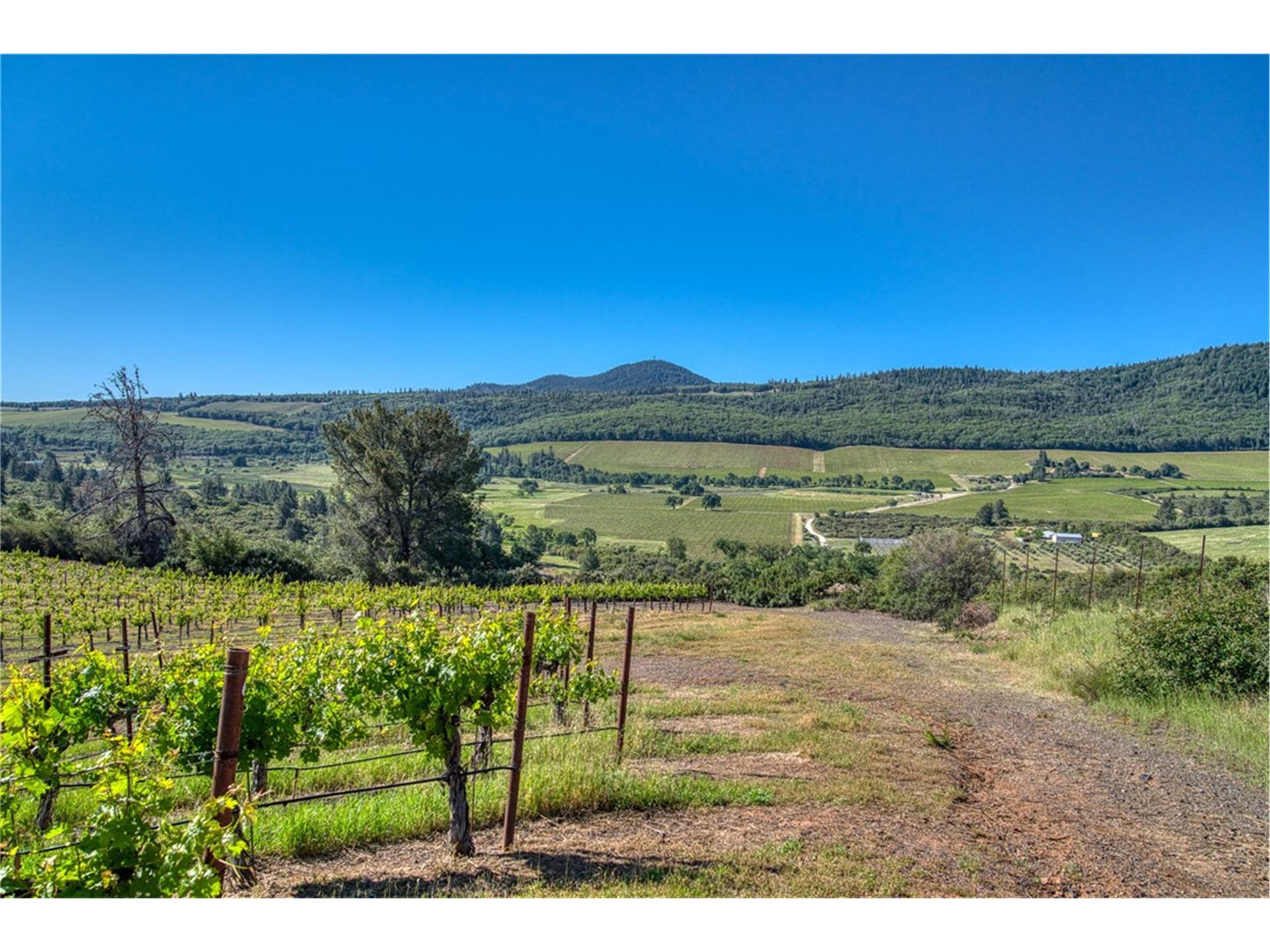
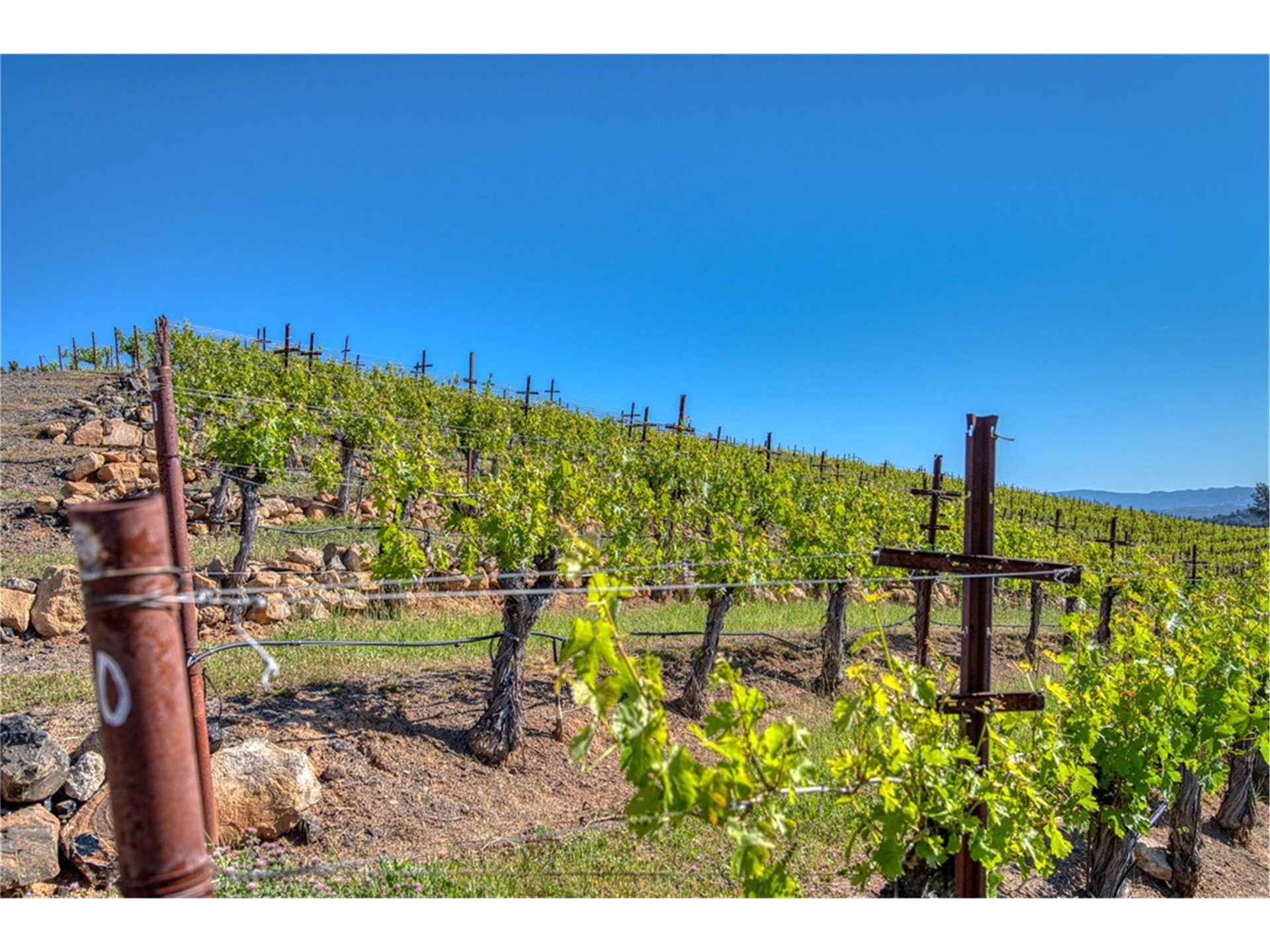
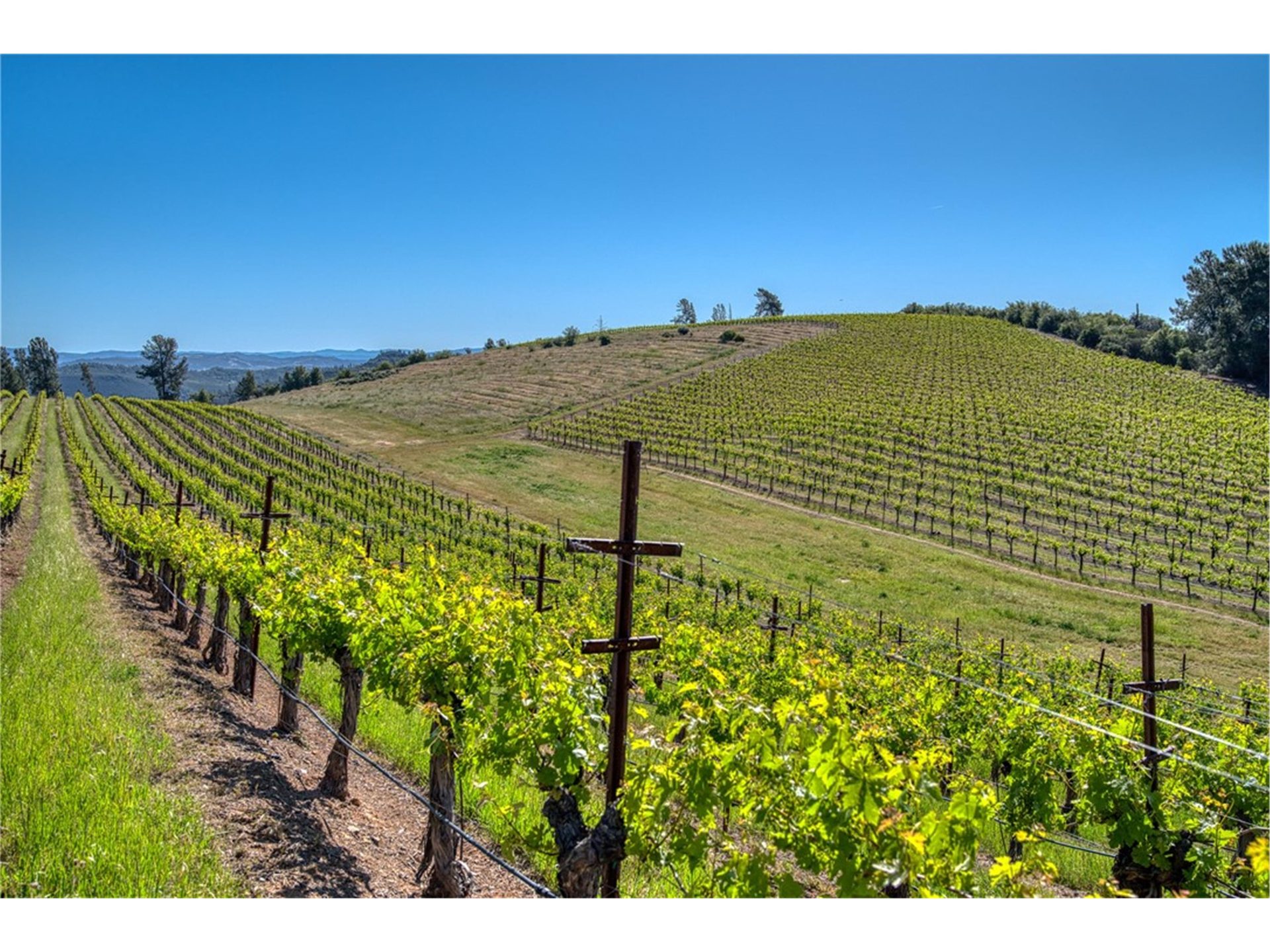
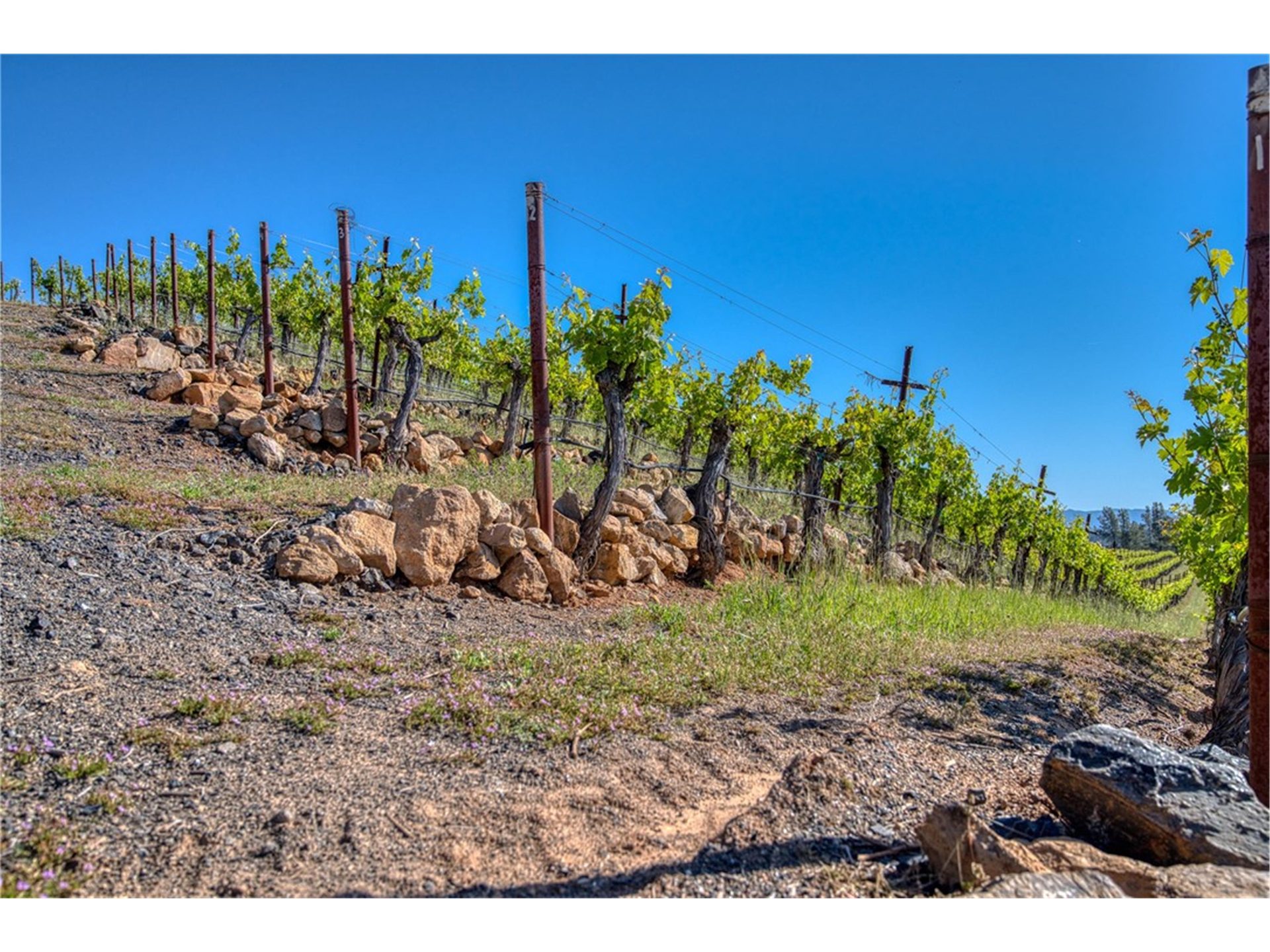
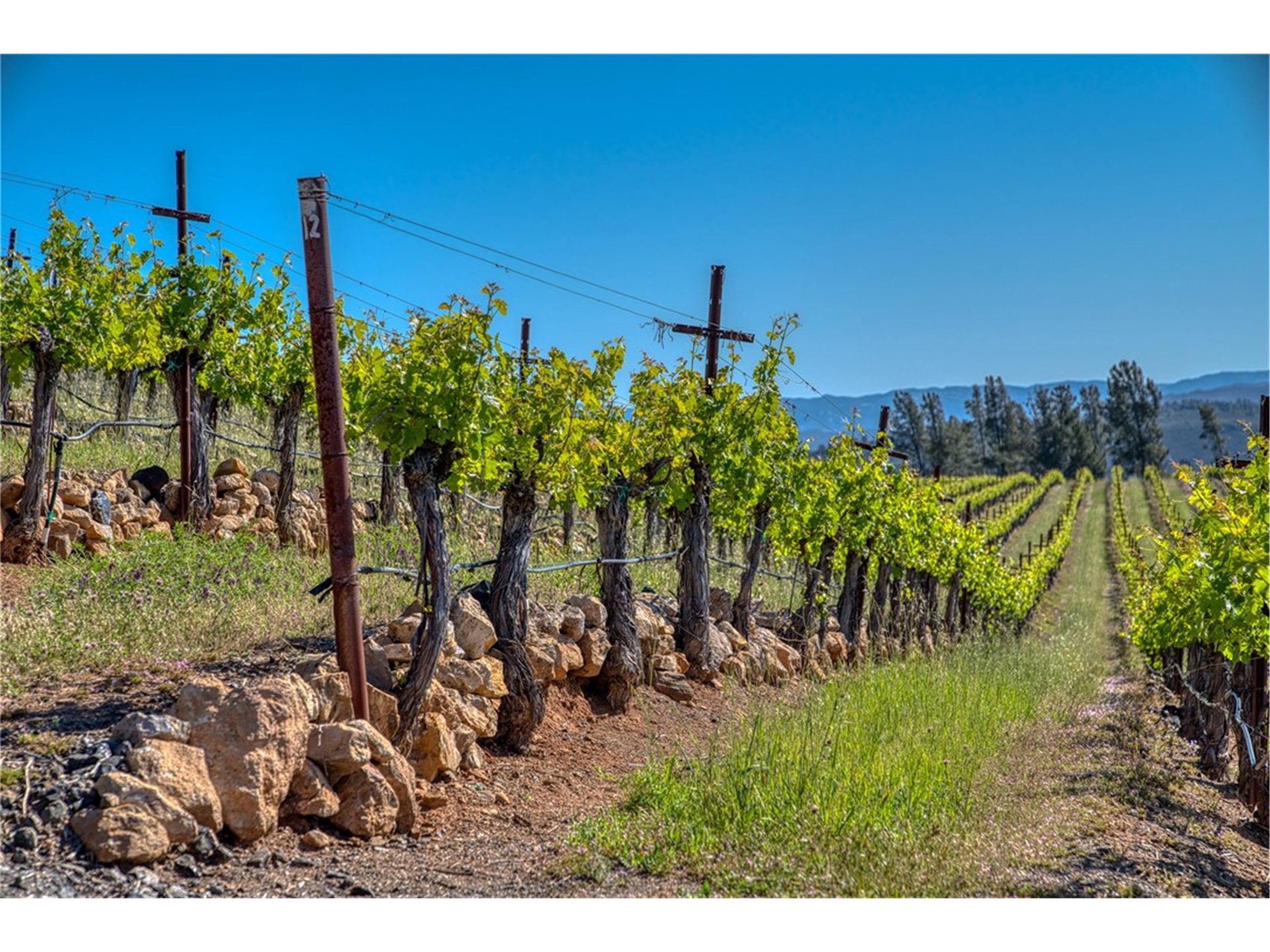
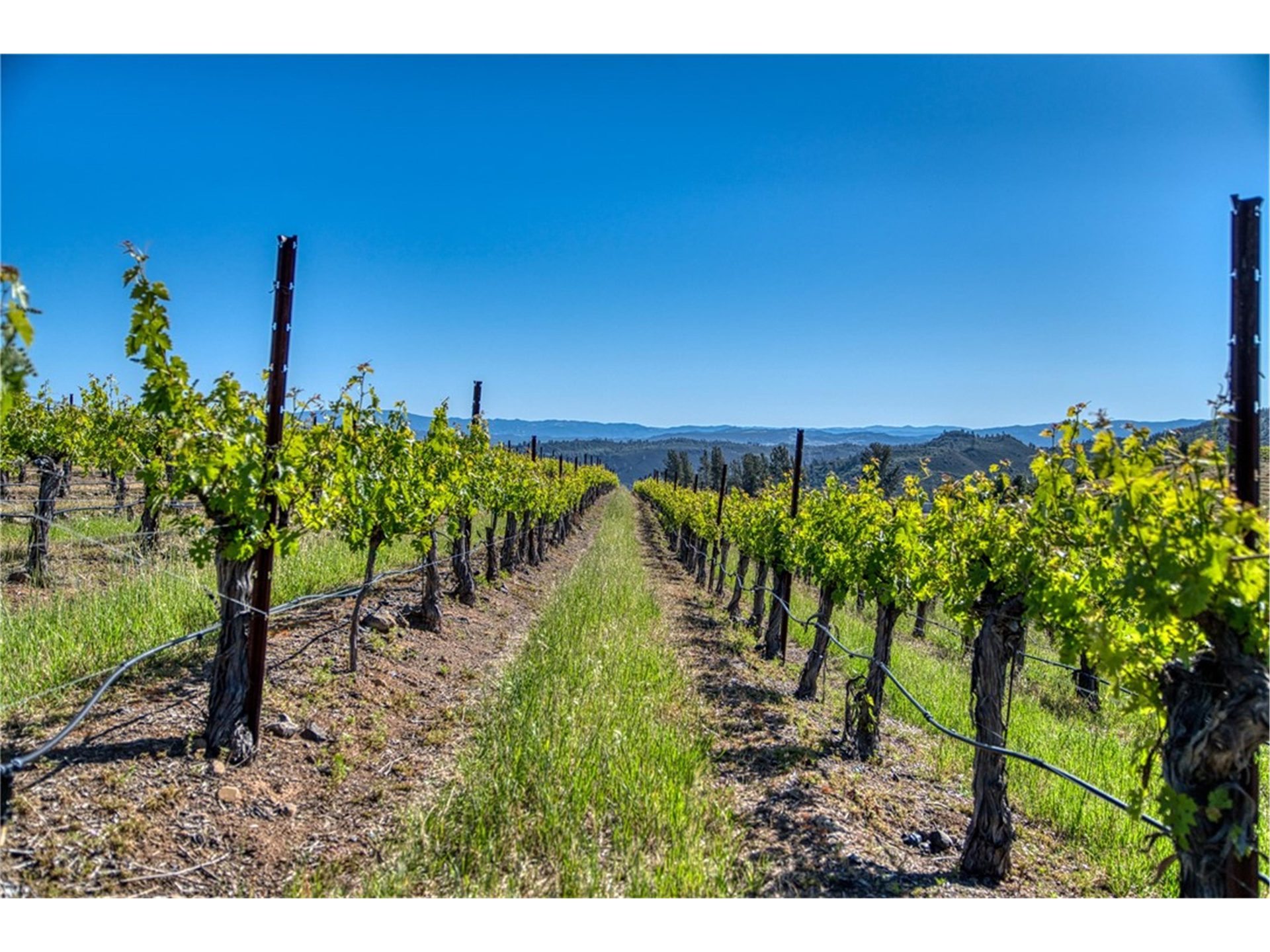
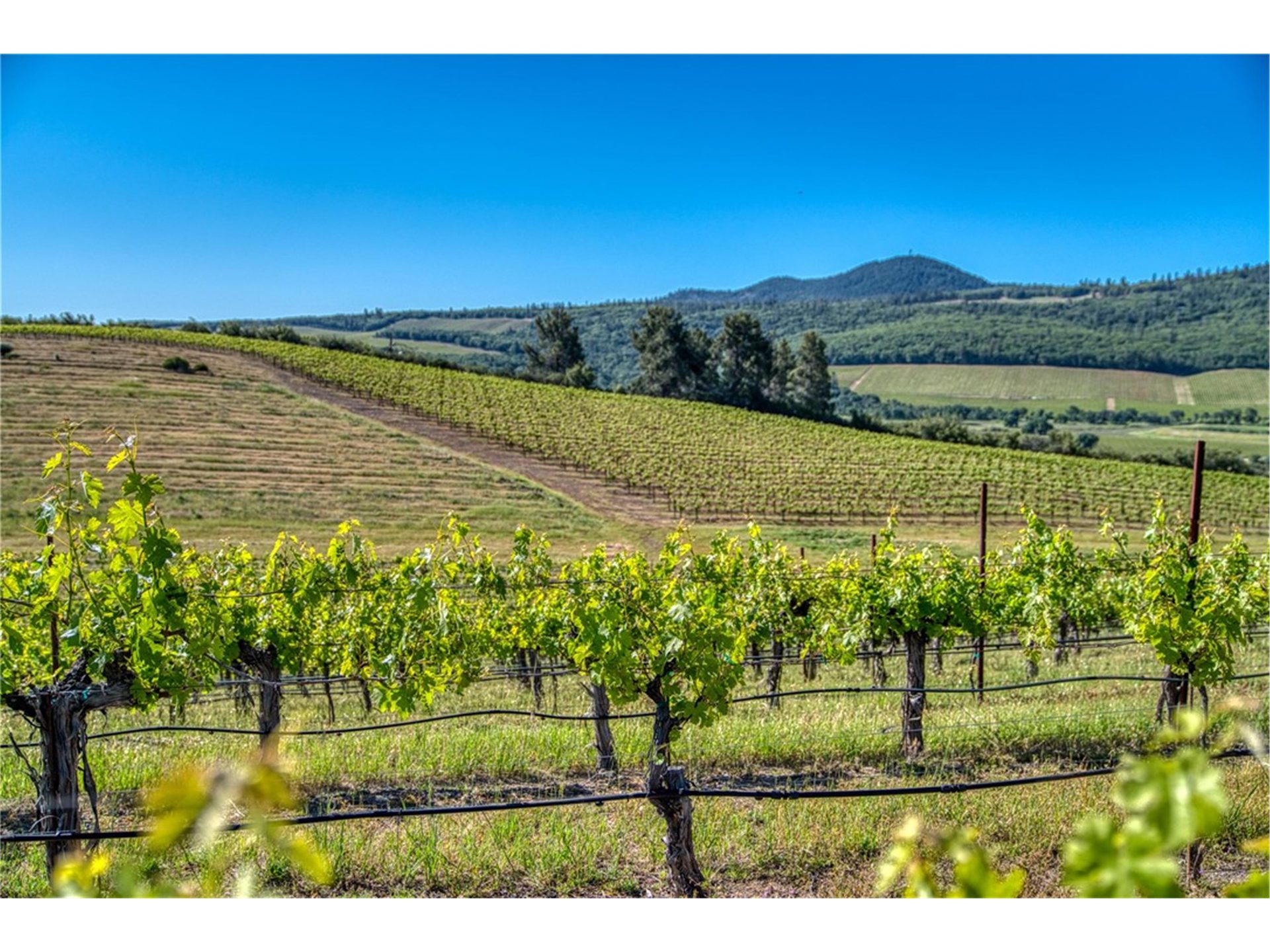
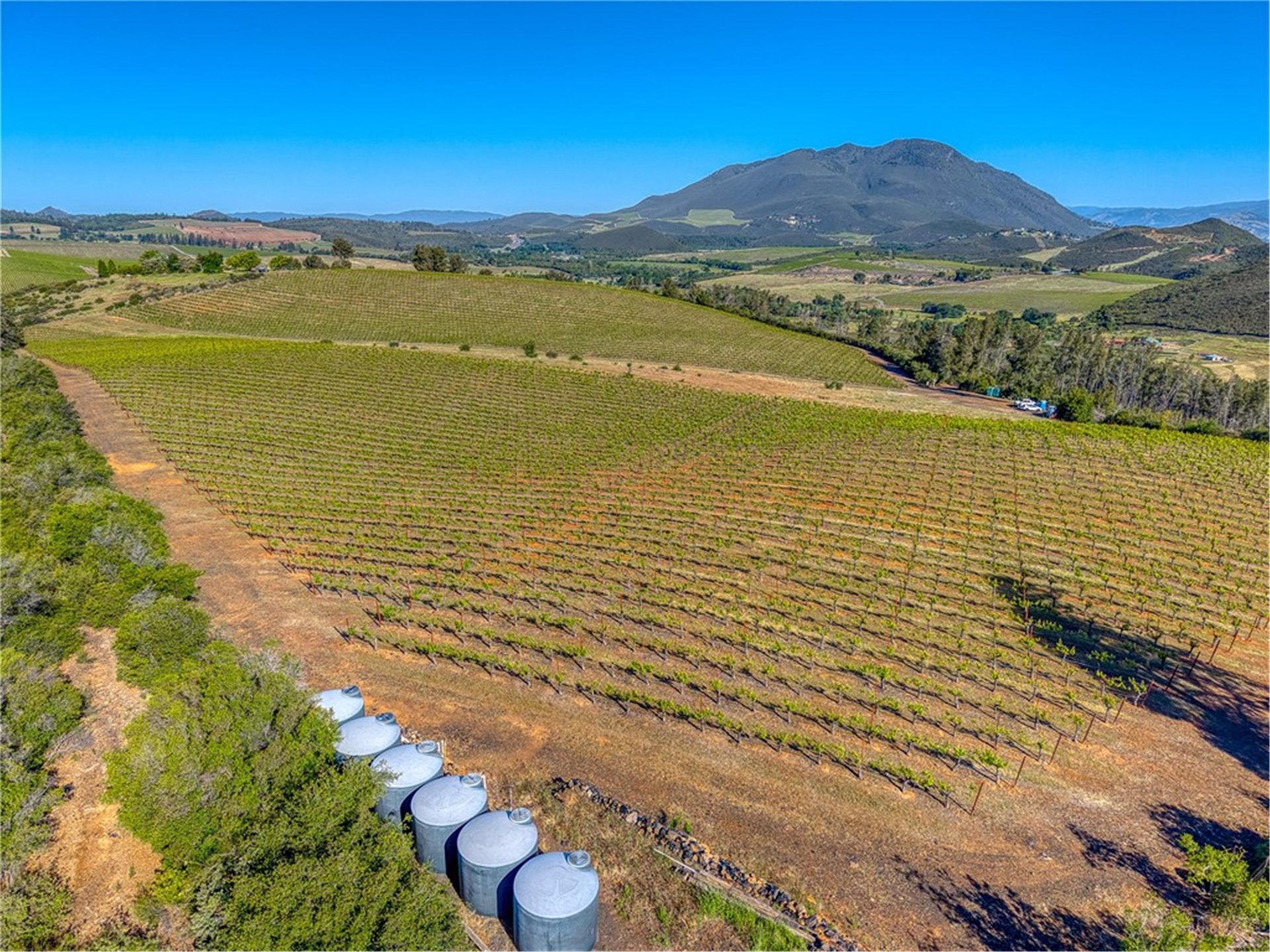
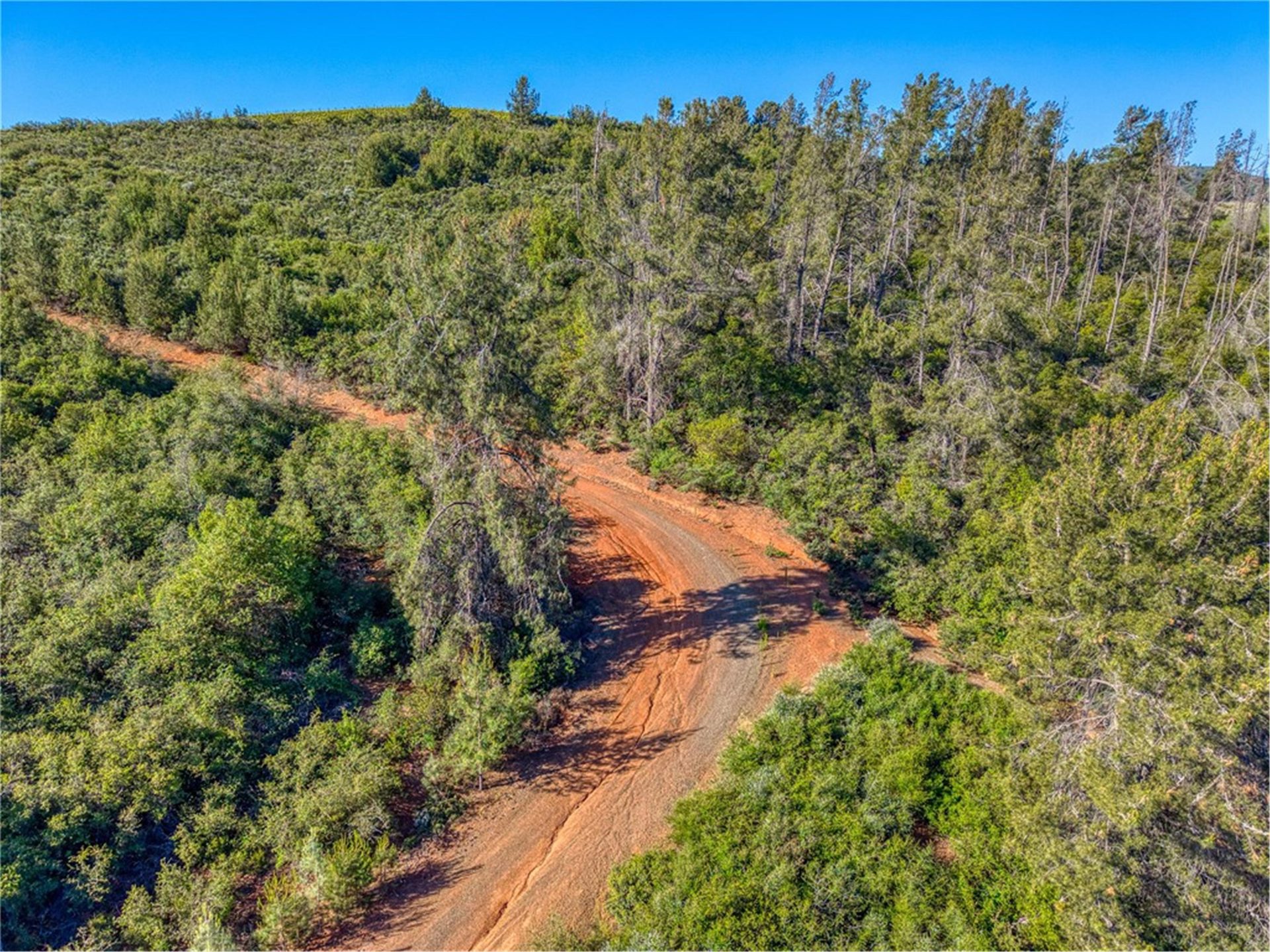
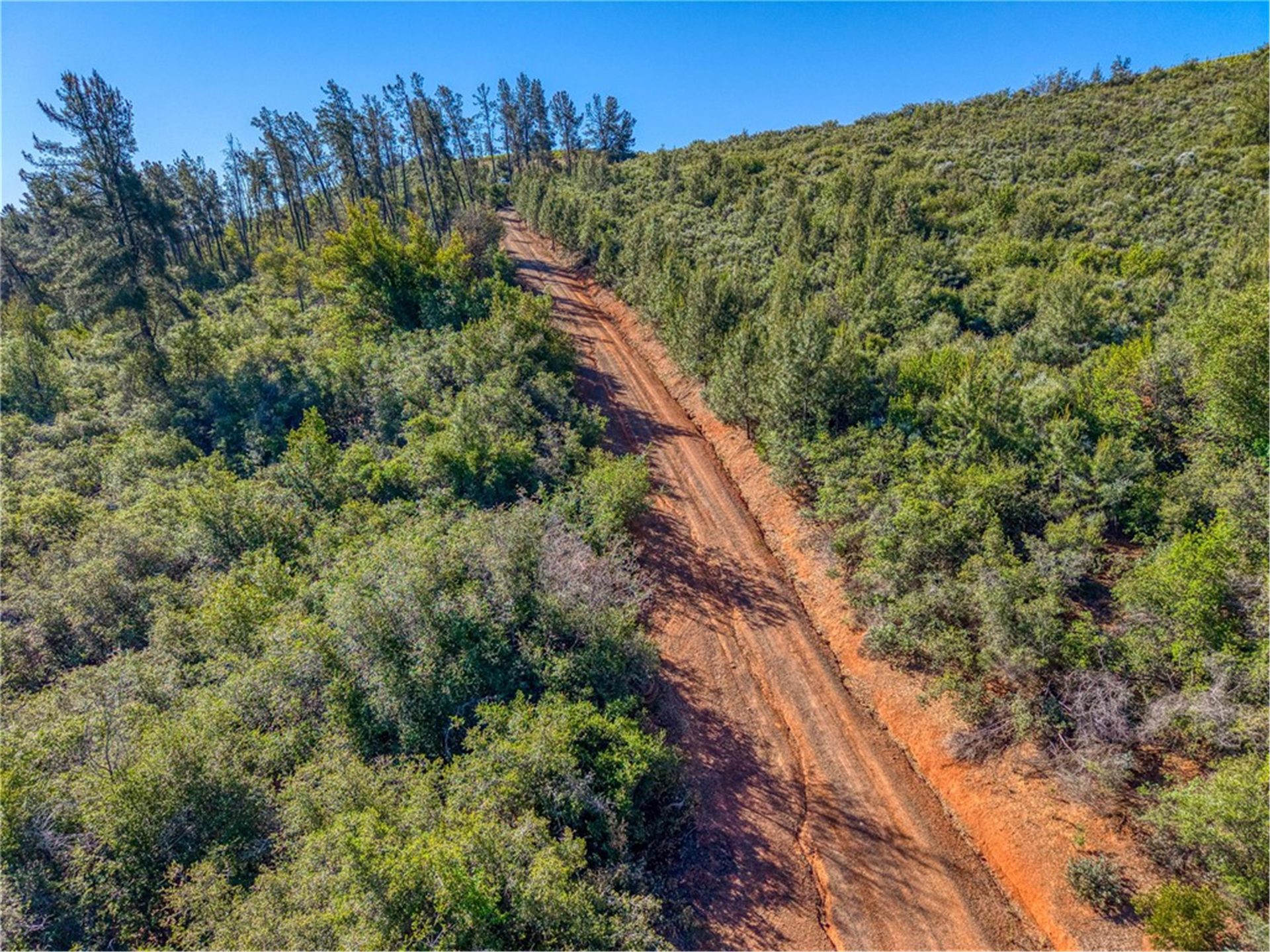
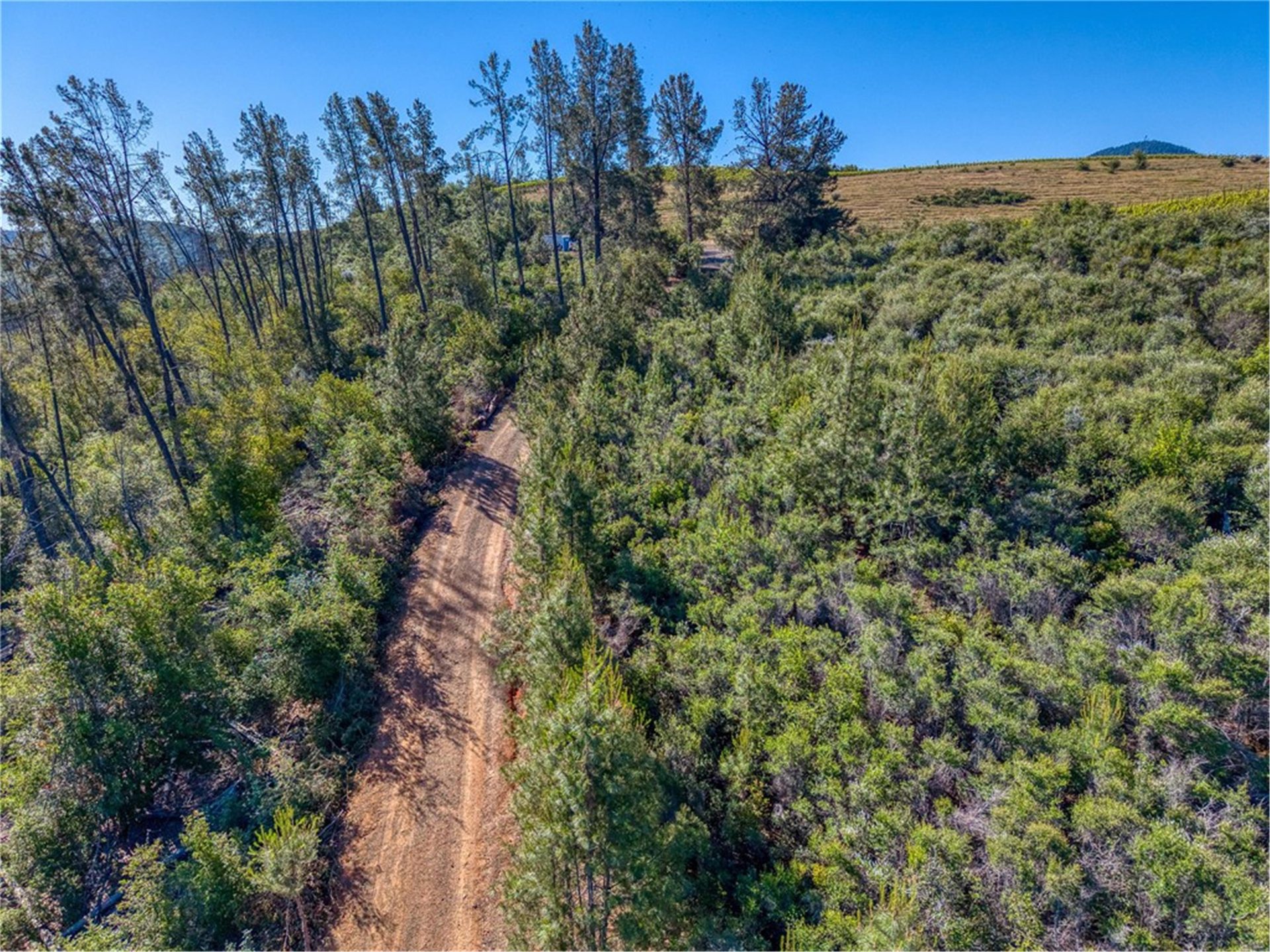
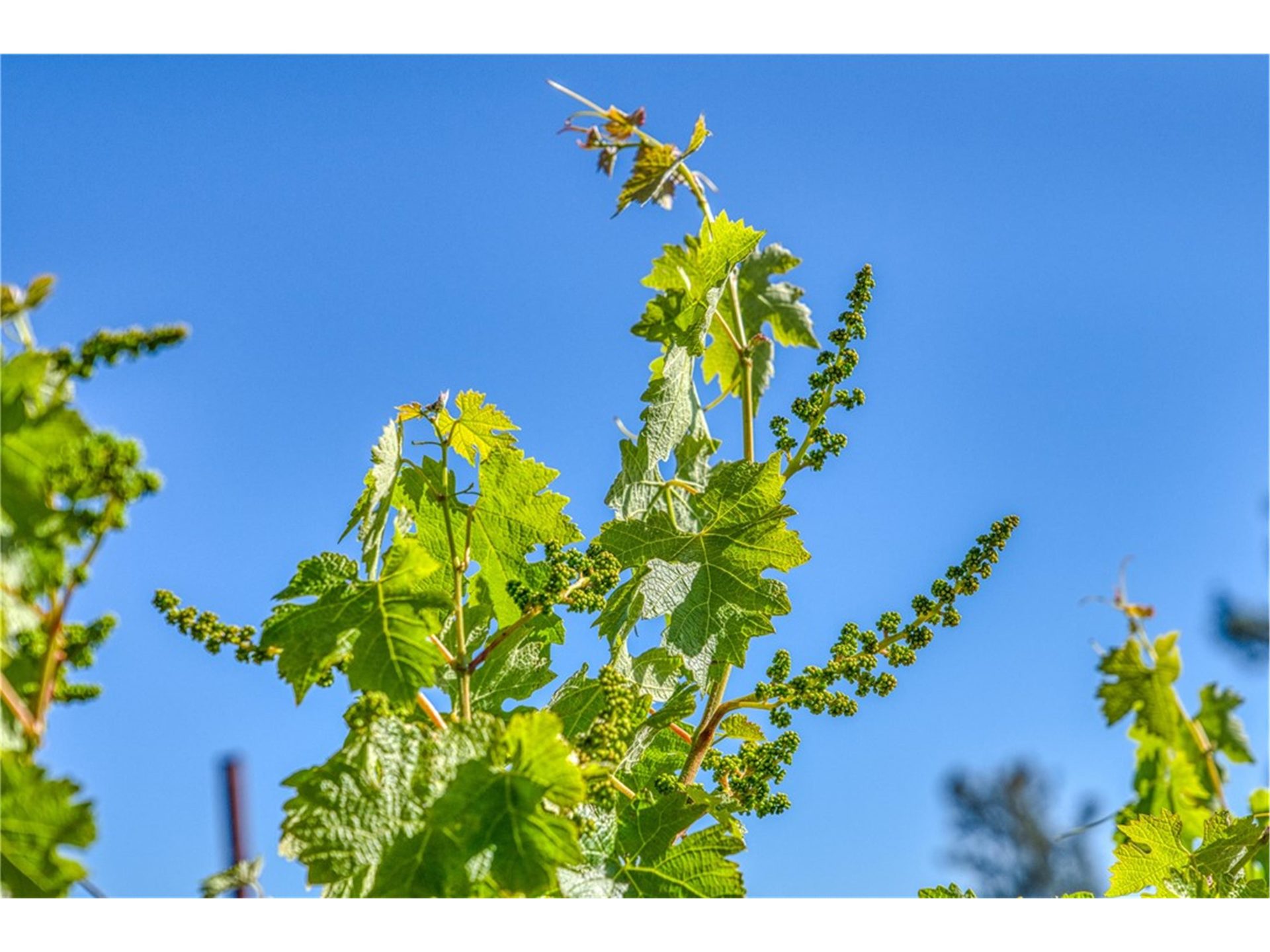
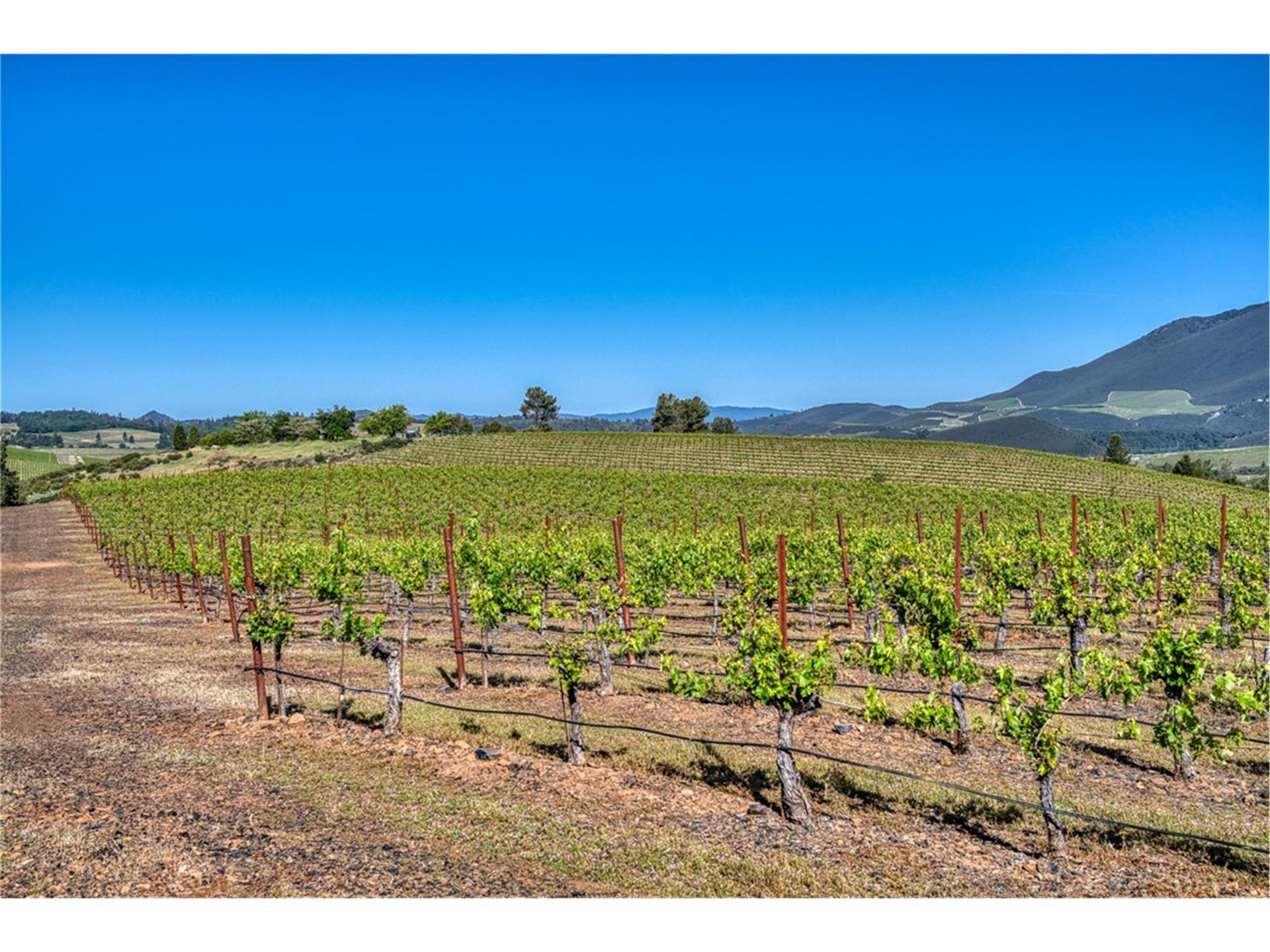
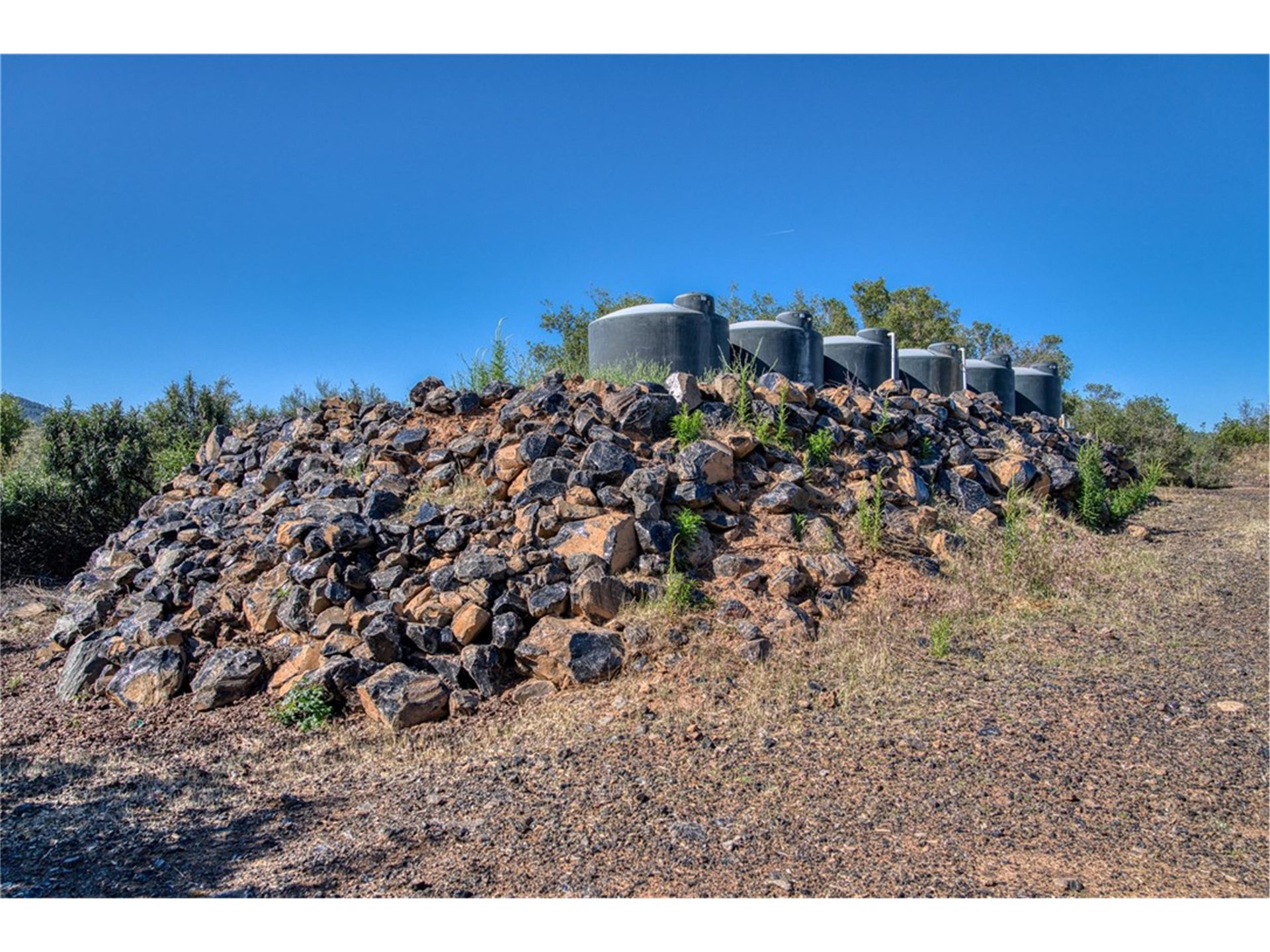
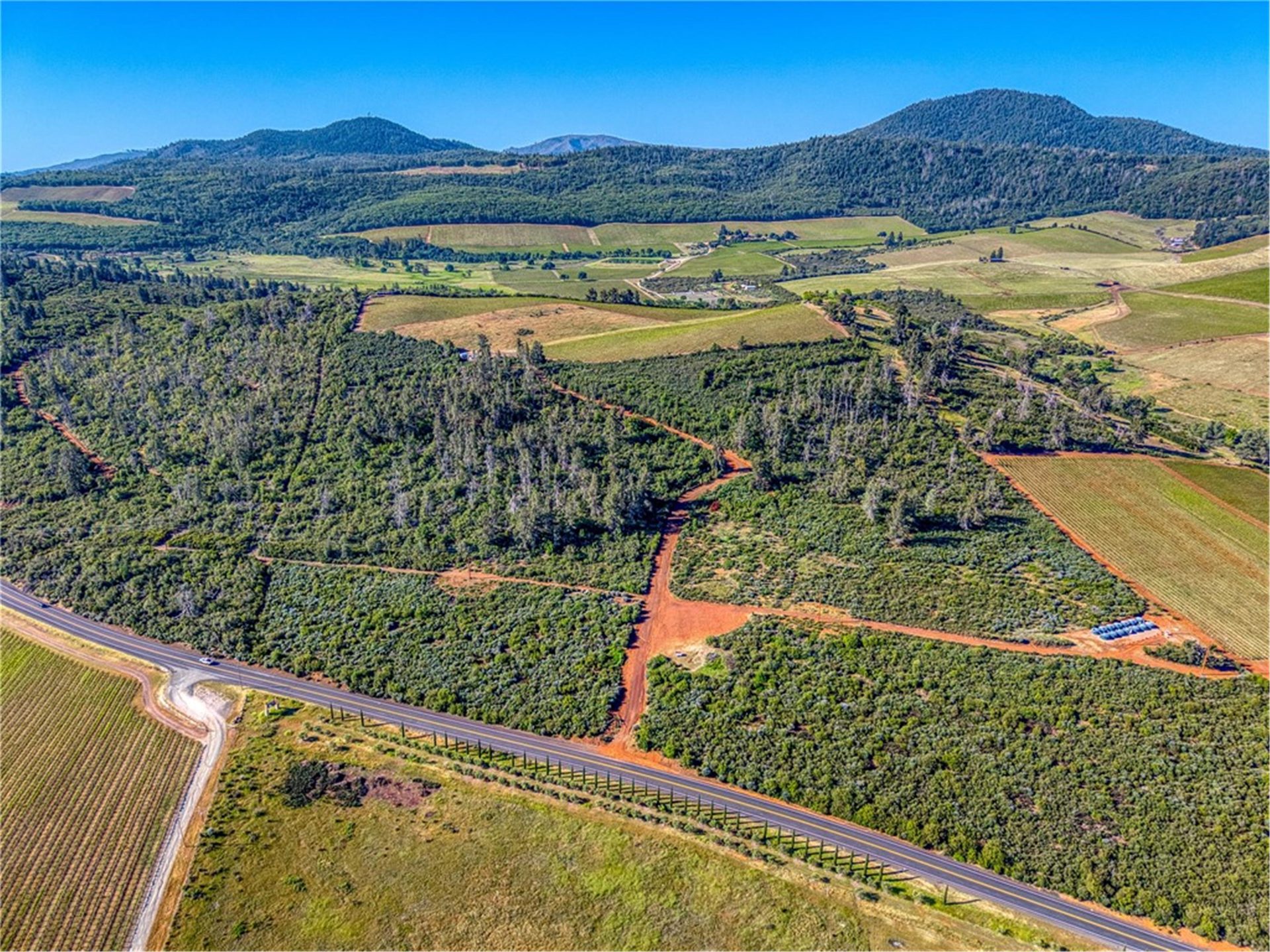
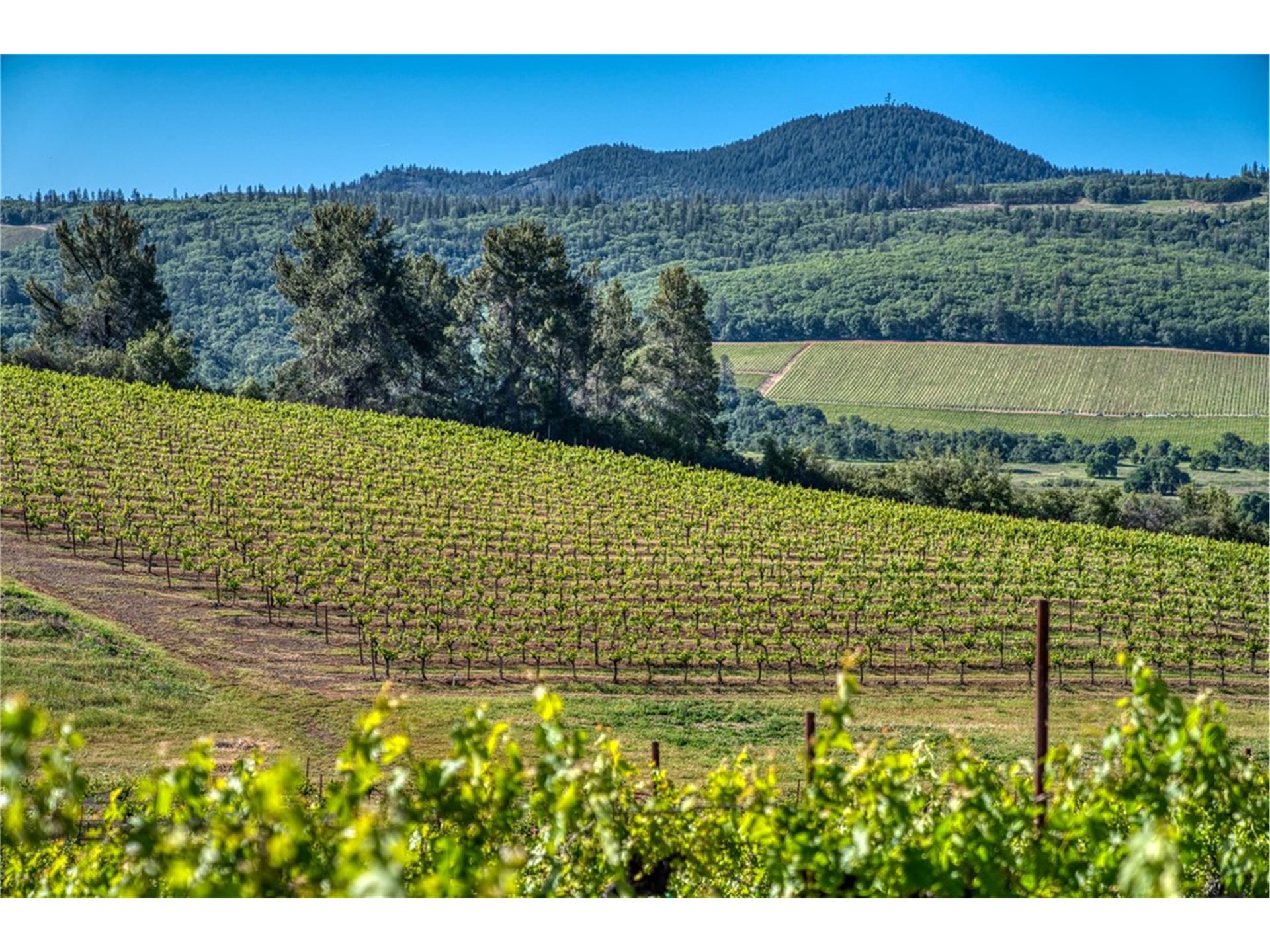
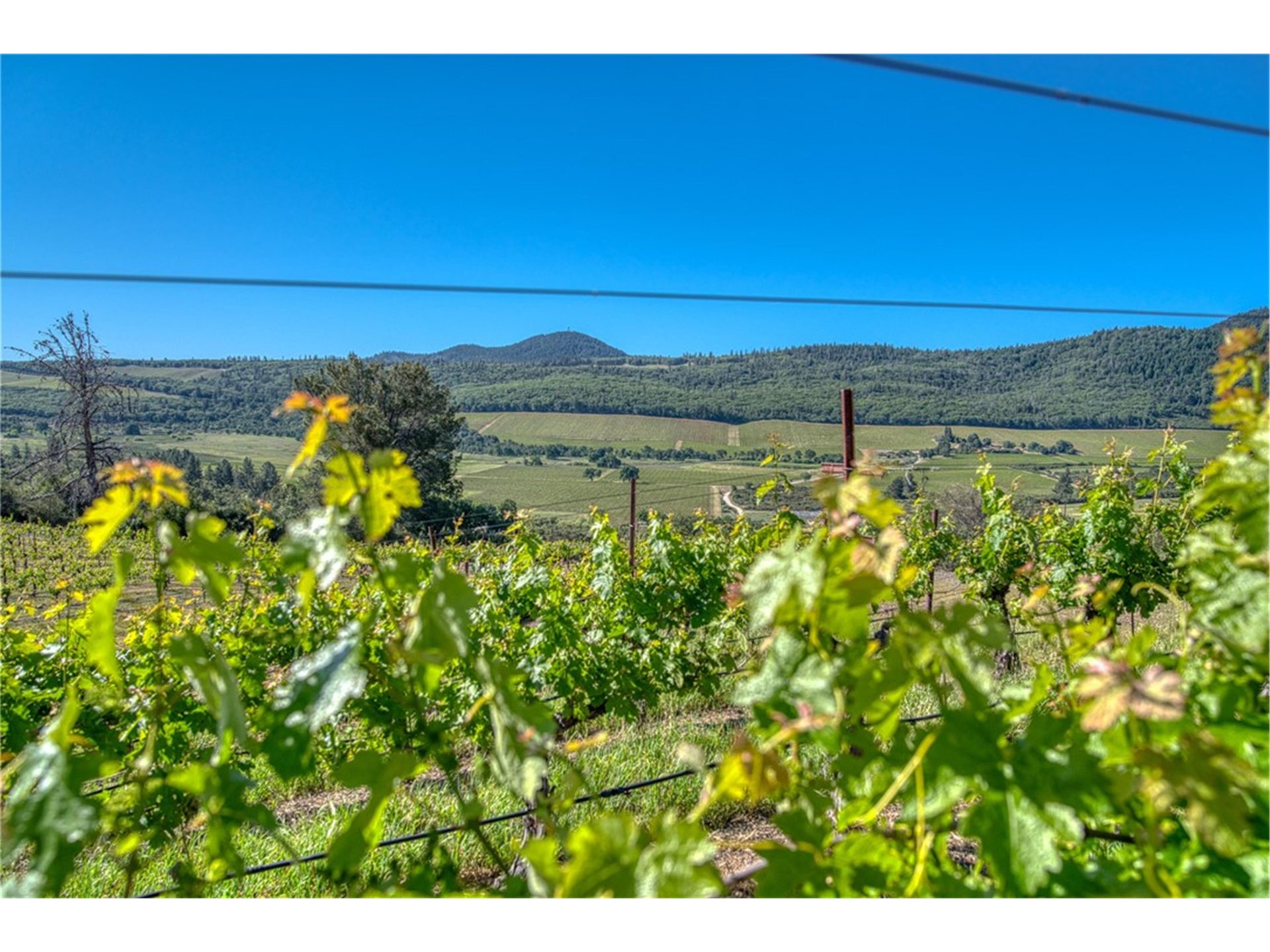
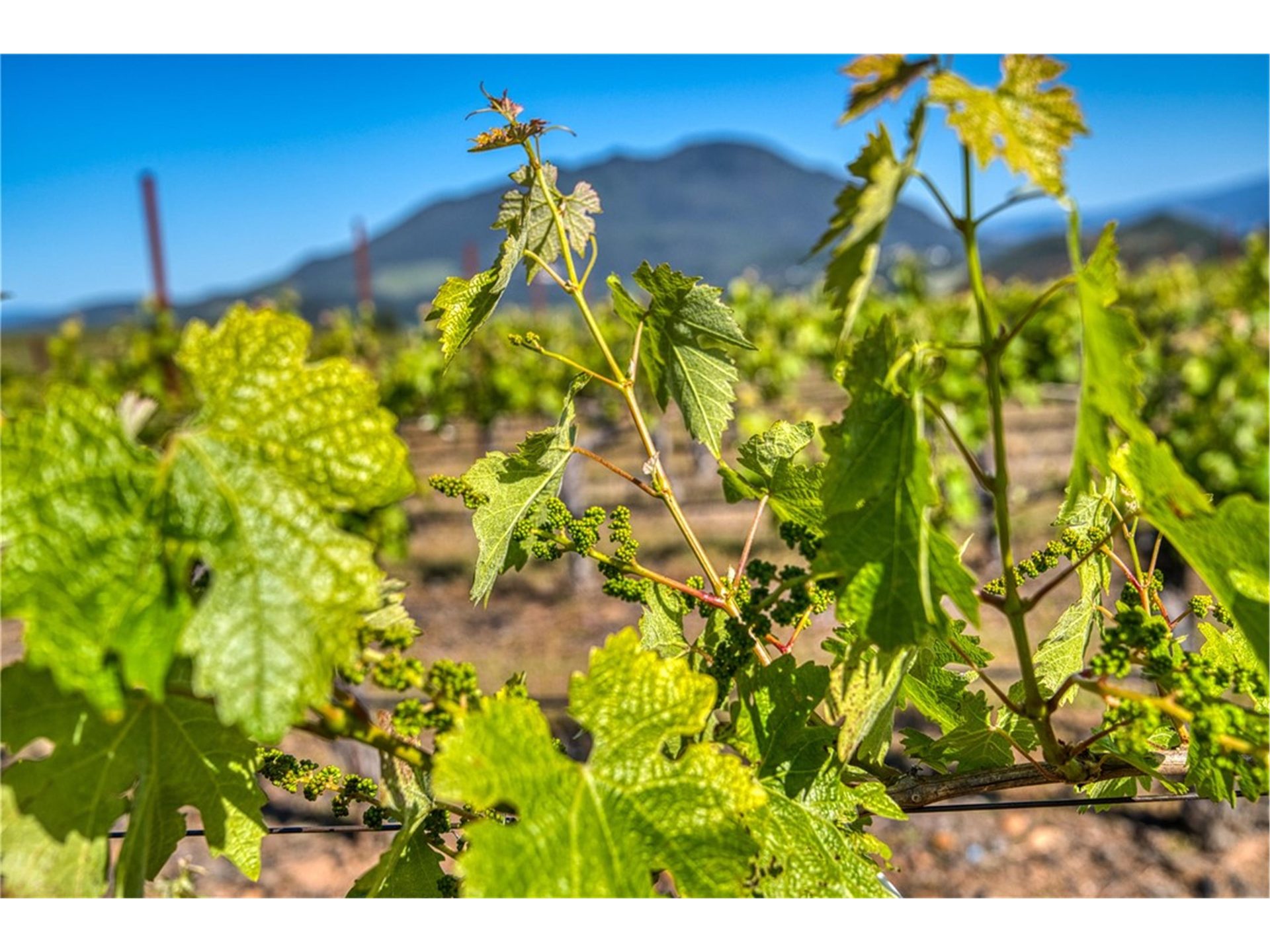
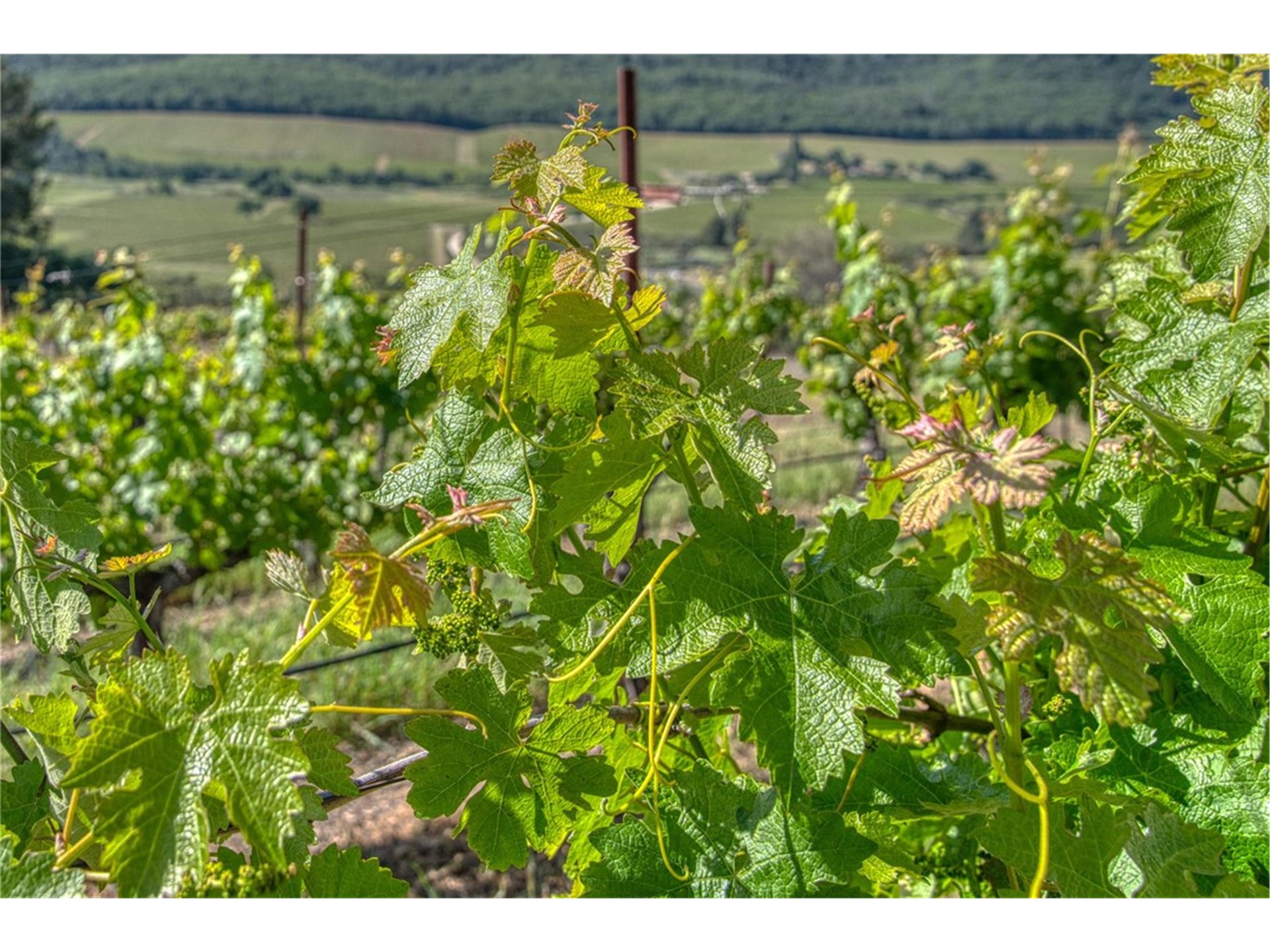
Eden Crest sits at 1,900 to 2,200 feet on volcanic soils threaded with scattered black obsidian. The vineyard is held between two knolls that block the cold air and protect the fruit through frost season, year after year.
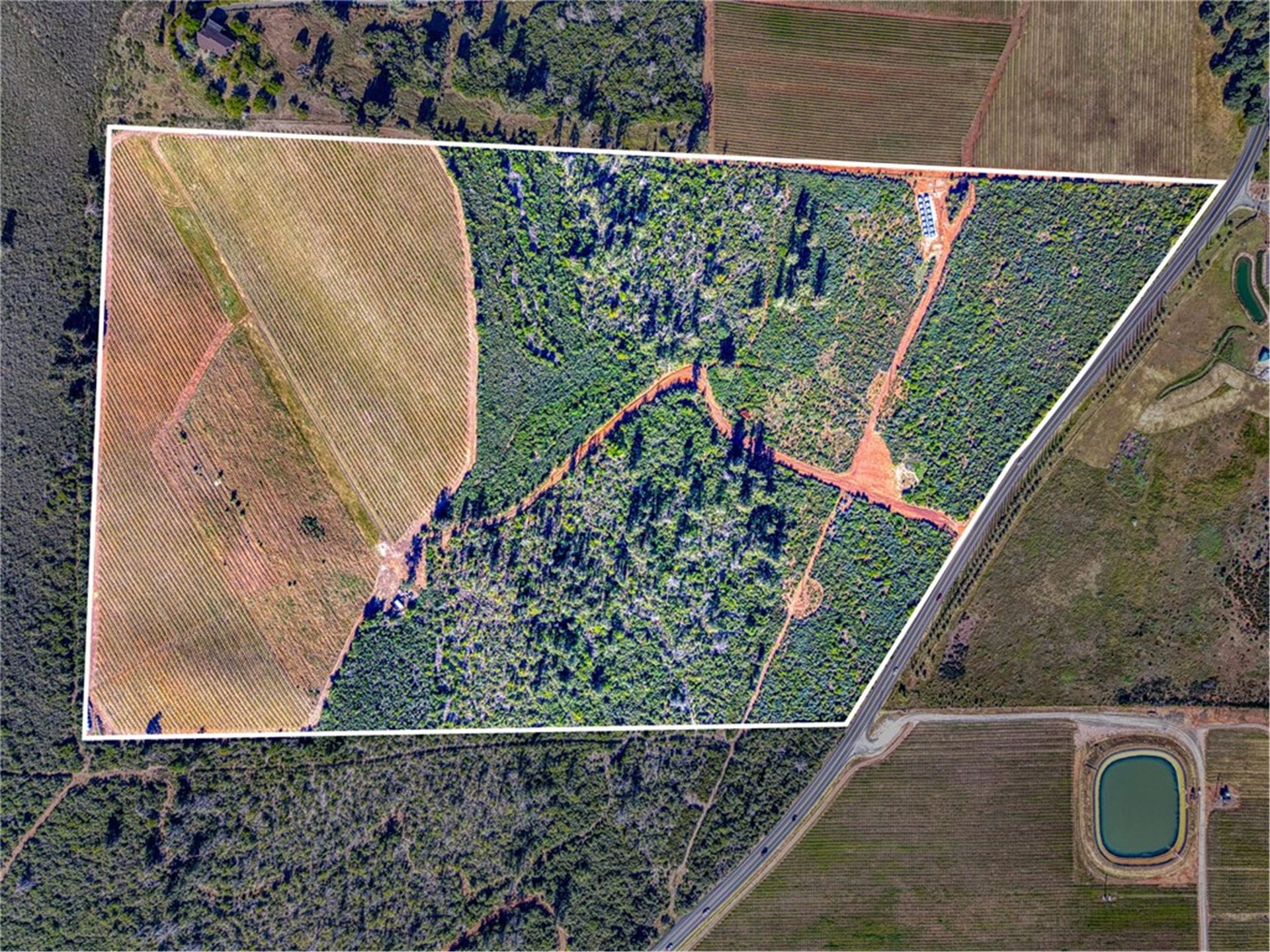
Bordered on two sides by Jackson Family Wines, with Beckstoffer Vineyards and Shannon Family of Wines nearby, Eden Crest stands among the most respected vineyard holdings in the Red Hills. The neighborhood is a powerful endorsement of the area's reputation for premium fruit and long-term agricultural value.
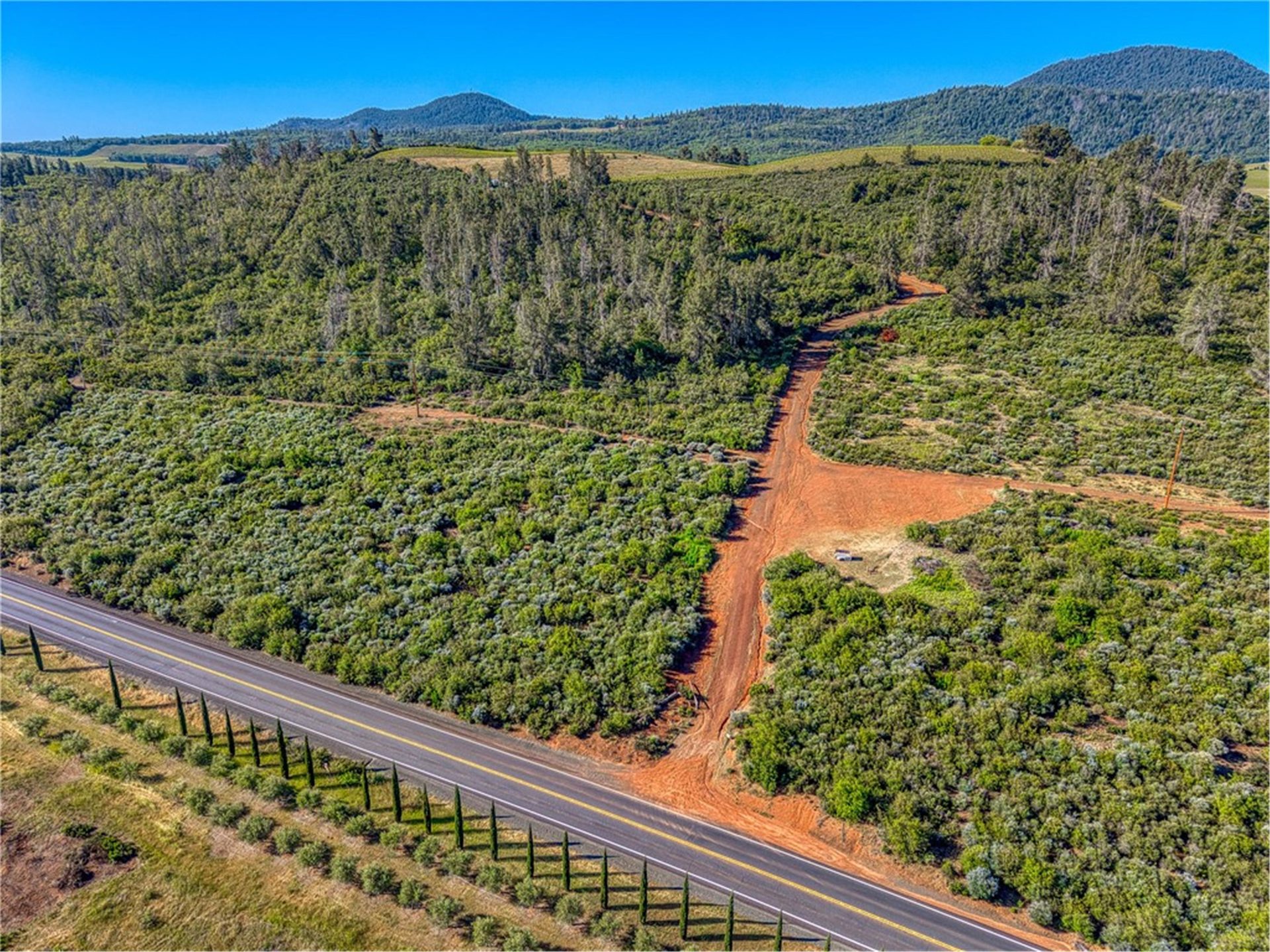
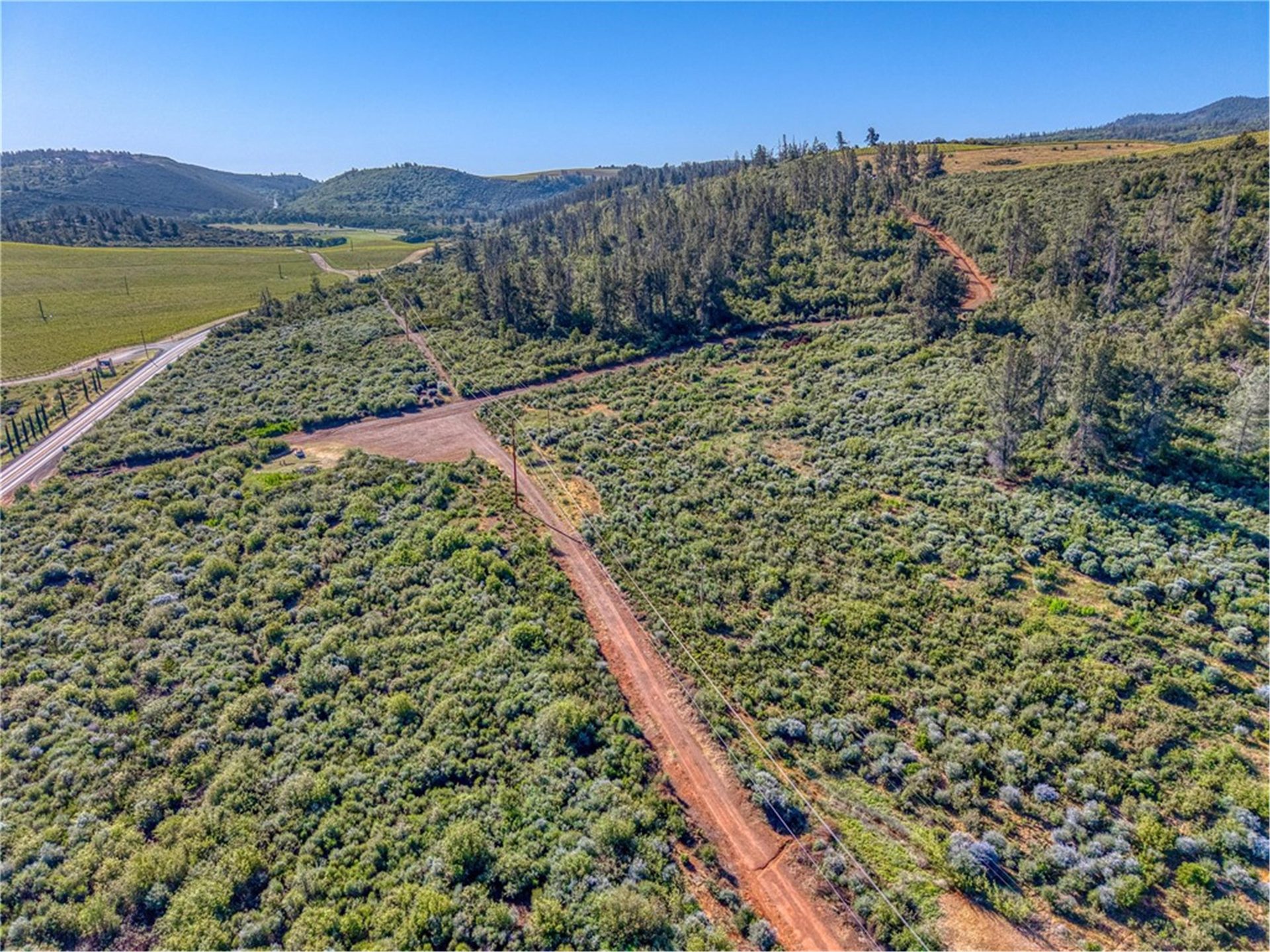
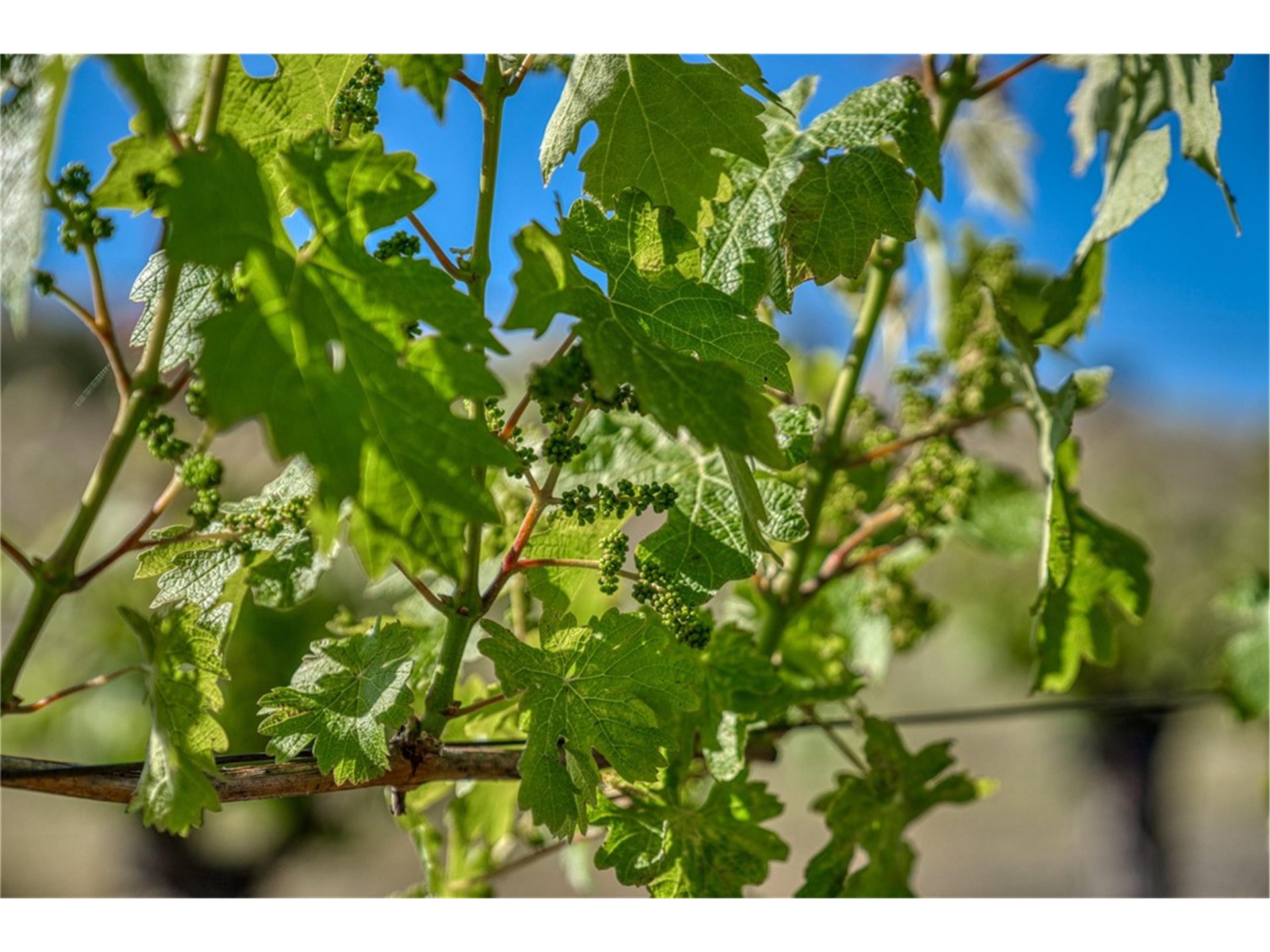
Recent production exceeded 75 tons, all sold to a high-end Napa Valley winery, demonstrating strong demand and exceptional fruit quality. With an additional ~45 to 50 acres plantable, the property offers rare scale within the Red Hills AVA, ideal for expanding a single-estate program or executing phased development.
What the zoning lets you build here
Most Lake County vineyard ground is sold on
the dirt alone. This parcel already clears the threshold that matters if you want people to come taste
what you grow. Lake County Code Article 7, section 7.4(d), allows a wine tasting facility with up to 750
square feet of retail, by Minor Use Permit, "on sites with a minimum of ten (10) acres of planted
vineyards, with or without a small winery." Eden Crest has about 14.5 acres planted. A restaurant up
to 750 square feet may be permitted accessory to the tasting room, and a small winery producing up to
15,000 cases a year sits under that same Minor Use Permit.
Below that, section 7.3(g) allows agricultural
processing such as fruit dehydrators and packing sheds up to 2,000 square feet by right, with no permit at
all, and section 7.3(h) allows greenhouses and hothouses up to 10,000 square feet the same way. Processing
larger than 2,000 square feet moves to a Minor Use Permit under 7.4(e). Production above 15,000 cases, or
amplified outdoor public events, move to a Major Use Permit under 7.5(c) and 7.5(g). Separately, Lake
County has already approved Minor Use Permit 21-34 on this parcel for 9,900 square feet of Type 2B
mixed-light cannabis cultivation with stamped plans.
The constraint worth knowing before you plan
anything: the parcel carries the Scenic combining district. Under Article 34 section 34.1, every use except
a single-family residential structure goes through development review under Article 56. Section 34.11
exempts ordinary agricultural uses from the scenic standards, but that exemption expressly does not reach
"those agricultural uses requiring a minor or major use permit in the base zoning district." A
vineyard is exempt. A tasting room or a winery is not.
Sources: Lake County Code Chapter 21,
Article 7 (Rural Lands) and Article 34 (Scenic combining district), read from the county's published
ordinance PDFs on September 7, 2026. Nothing described above is approved or entitled. A Minor Use Permit
is an application, not a permit in hand, and each one is decided on its own facts. Confirm every use,
threshold and process directly with Lake County Community Development before relying on any of it.
Fire and wildland status
This parcel is in a State Responsibility Area,
which means CAL FIRE rather than a local district carries wildland fire protection responsibility. Lake
County's current Fire Hazard Severity Zone layer classifies it Very High. We sampled
twenty-three points across the parcel boundary and every one returned the same classification, so this is
not a partial or edge condition.
What that means in practice: California Public
Resources Code section 4291 requires 100 feet of defensible space around any building or structure in a
State Responsibility Area, and that duty attaches once a structure exists rather than to bare land. Public
Resources Code section 4290 applies State Responsibility Area fire safe regulations, including road
standards for fire equipment access, street and building signing, and minimum private water supply
reserves, to residential, commercial and industrial construction approved after January 1, 1991. Lake
County Code Article 7 section 7.18 separately requires access via an existing publicly maintained road or
a new road improved to at least county processed-gravel standard.
Sources: Lake County GIS Fire Hazard
Severity Zone and responsibility area services, queried September 7, 2026; Lake County Code Chapter 21
Articles 7 and 34; California Public Resources Code sections 4290 and 4291. Fire hazard classifications
and responsibility areas change. Nothing here is a substitute for a Natural Hazard Disclosure report or
for advice from a qualified insurance, legal or land use professional, and buyers should obtain their own.